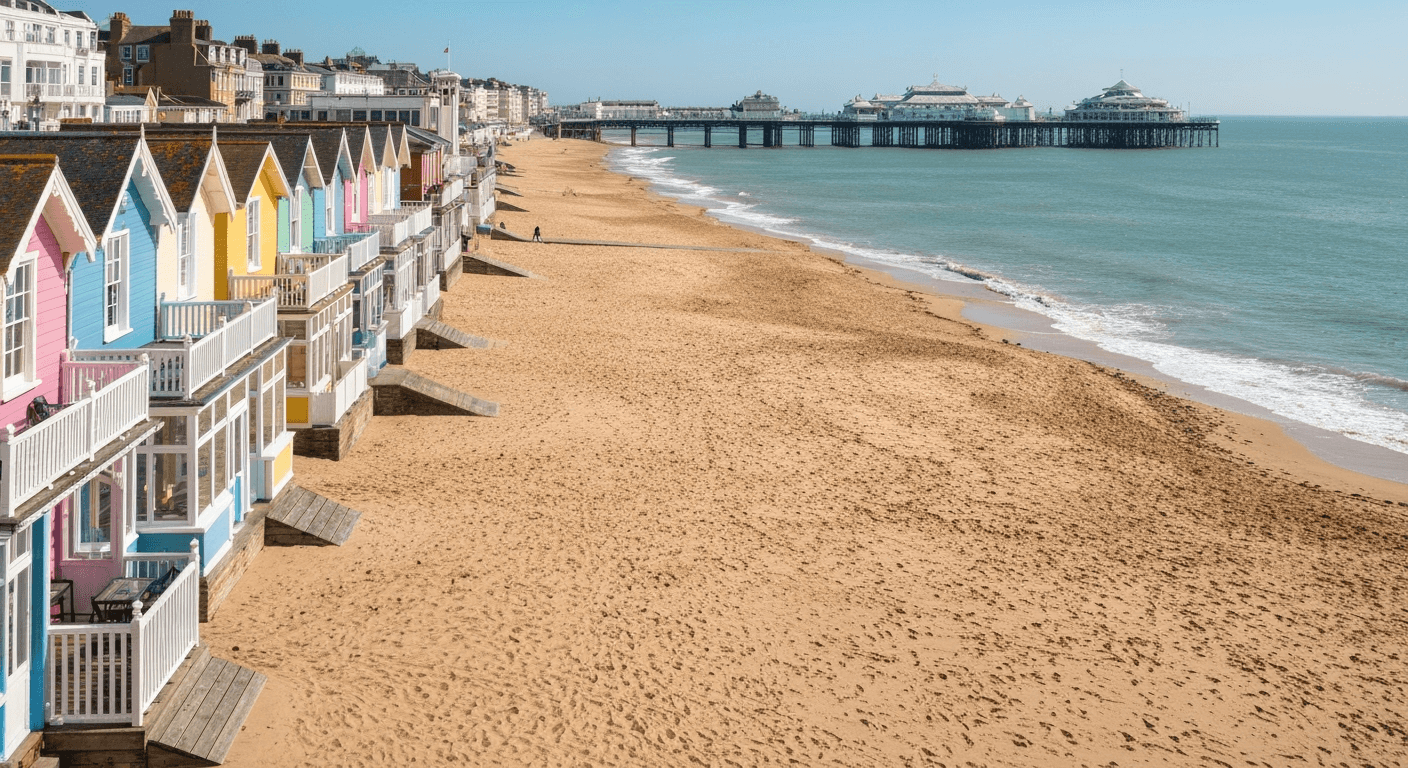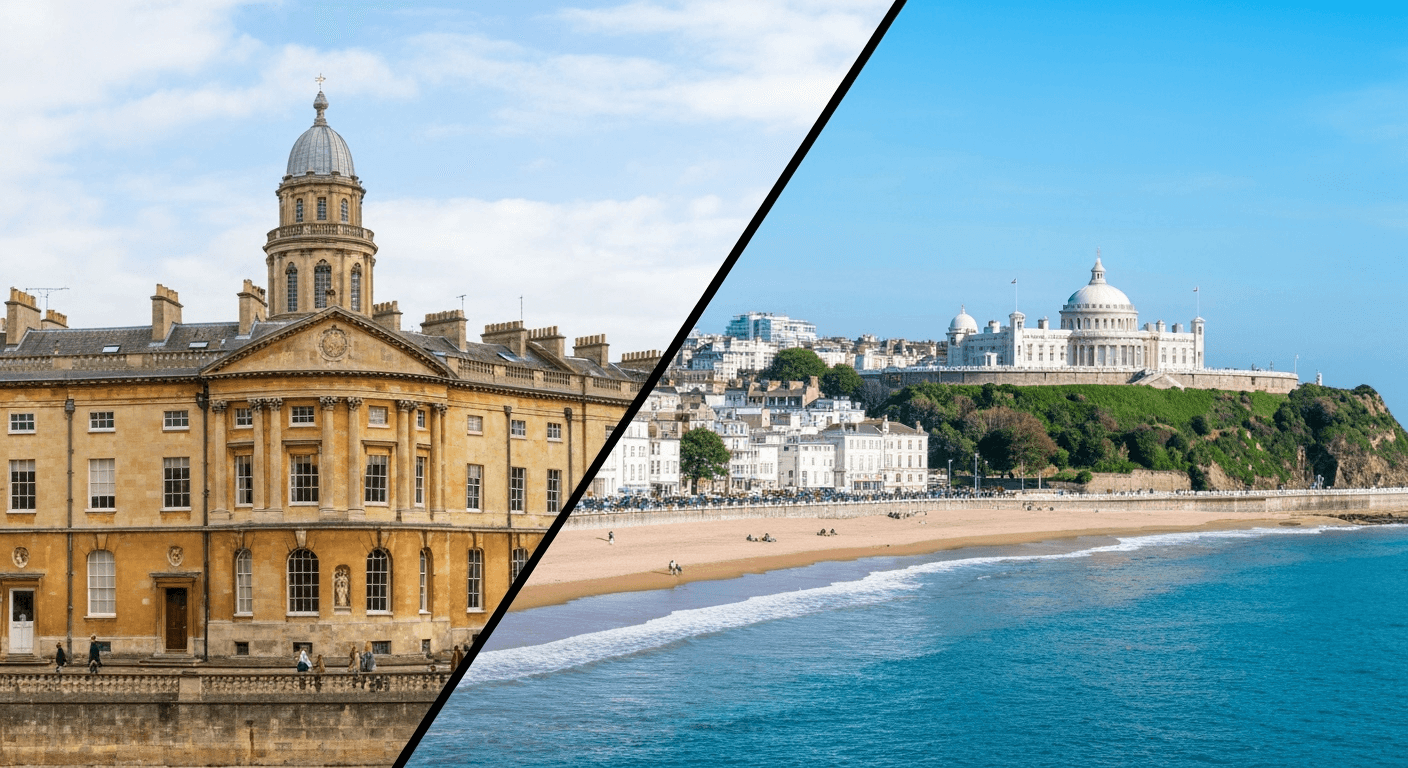

Here is the number the brochures never print: average self-catering occupancy in Scotland was just 41.6% across 2024 (VisitScotland’s occupancy survey), and across the market the quiet nights – overwhelmingly midweek and off-season – far outnumber the full ones. Empty nights are the norm, not the exception – which means the cheap group weekend isn’t a myth, it’s a targeting exercise. This is the playbook.
Every play below works on one principle: you are not hunting for a discount, you are hunting for a night an owner would otherwise not sell. Discounts are rare and grudging. Empty Tuesdays in February are abundant.
Play one: go when the market sleeps
Butlers in the Buff’s booking records, covering 100,000+ groups over more than 20 years of trading, show 56% of group activity crammed into January to May, with December the quietest month at 2.9%. Demand shapes price in both directions: the house that commands a premium on a June Saturday has a very different conversation to have about a wet November one.
Aim for the shoulders rather than the dead of winter, though, because the cheapest weekend of the year is often the one nobody enjoys. Early December before festive rates begin, late January, the quieter weeks either side of a half-term – these give you a real saving and a house that is still worth being in.
Play two: steal the midweek
A Monday-to-Thursday stay is the single biggest lever most groups can pull, because owners are looking at empty nights between weekend changeovers and would far rather sell them. Rates and minimum stays are set by each owner, so ask directly rather than assuming the published weekend price is the only price on offer.
Midweek quietly improves the trip itself, too: emptier roads on the way, restaurants that will take a table for fourteen, walking routes without a queue at every stile. It only works if your group can flex – retired walkers, freelancers, teachers in the holidays, a birthday that falls kindly. Our midweek group stays guide covers how to make the case to a group that assumes weekends are compulsory.
Play three: choose the unfashionable county
Fashion is expensive. The counties one step sideways from the honeypots offer the same big tables and the same hot tubs with far less competition for them. The Peak District puts serious landscape within reach of most of the Midlands and the north. Norfolk gives you coast and enormous skies without the summer scramble of the south-west. Derbyshire, County Durham and the Welsh Marches are routinely overlooked by groups who only ever consider the same four destinations. The hills do not know they are unfashionable.
The saving here is not only the nightly rate. It is the fuel, the supper that costs less, the taxi into town that does not need booking three weeks ahead.
Play four: let the group size do the work
GoHen’s 2025–26 research puts the average UK hen do at £203 per person for the two-night core of house and activities, and the fastest way to come in under that average is arithmetic rather than negotiation. The house price is fixed the moment you book; the per-person cost is that number divided by however many people actually turn up. Booking a house and filling it well below what it sleeps is the most expensive thing most groups do, and they generally do it without noticing.
So count committed, paid-up people before you choose the size of the house – not people who have reacted to a message with a thumbs up. Our guide to getting a group to actually commit covers how to turn a group chat into a headcount you can book against.
Play five: cook more than you think you will
Accommodation is the visible cost and food is the one that quietly overtakes it. Three restaurant dinners for a large group will usually cost more than the house did, and they come with the worst logistics of the weekend attached: two taxis, a table split across two rooms, and a bill nobody can divide.
The sensible shape is to cook most meals and spend properly on one. A big one-pot dinner on the Friday, breakfasts from a single supermarket delivery, and one meal that is genuinely an event – a long lunch out, or a chef at the house if the numbers work. Our group catering ideas cover the dishes that scale without three people losing an afternoon to the kitchen.
Play six: book direct and ask better questions
Where you book changes what you pay, and it also changes who you can ask. Booking direct puts you in contact with the person who actually sets the rate, knows whether the hot tub is working, and can tell you honestly what the house is like with a full group in it. Our guide to booking group houses direct explains what to ask for and how to check you are dealing with the owner.
It is worth running the comparison honestly against the alternative, too. For most large groups a house wins on both cost and experience, but not universally: hotels can suit very short stays, city-centre locations, or groups who genuinely want separate bills and separate mornings.
The costs that ambush groups
The budget that goes wrong is almost never wrong about the house. It is wrong about everything around it. Ask the owner, in writing, what is included and what is extra: heating and electricity, logs, bed linen and towels, end-of-stay cleaning, hot tub use, cots and high chairs, and whether there is a charge for guests above a certain number.
Then ask about the security deposit – how much, when it is taken, when it is returned, and what it can be deducted for. This is set by each owner and varies enormously; our deposits and damage guide explains what to expect and what to query. A deposit is not strictly a cost, but it is money sitting out of somebody’s account for weeks, which matters a great deal when people are paying in instalments.
Getting the money in without falling out
The cheapest weekend in the world falls apart if one person is fronting it. Set the payment structure at the same time as the booking: a deposit per head to secure a place, a balance date that sits comfortably before the owner’s, and a single named person collecting. Publish the total, the per-person figure and both dates in one message so nobody can later claim they did not know.
Be explicit about what happens if somebody drops out, because the owner’s cancellation terms apply whatever the group decides is fair, and one person leaving raises everyone else’s share. Our guide to splitting costs and the group holiday budget planner keep the numbers honest and the conversation short.
The endgame: the late deal
If your group can genuinely move at short notice, unsold nights are where the real value sits – the market’s quiet midweek and off-season calendar is made of them. It requires a group that has already agreed a budget and a rough region and is simply waiting on a date, which is a rare and valuable thing to have assembled. Our last-minute group accommodation guide covers how to hunt gaps in the calendar without ending up somewhere nobody wanted to go.
One thing worth prioritising
Pick your people before your place. A big, committed group with a flexible date will almost always holiday more cheaply than a smaller, fussier one fixed on a July Saturday – usually by a margin no discount code will close.
Where these numbers come from
The booking figures in this article are our own, not an industry estimate. They come from the booking records of our sister brand Butlers in the Buff, which has been running group celebrations for more than twenty years and has served over 100,000 groups — so they describe what groups actually did, not what a survey says they intended to do. They are counts taken from those records rather than projections, and where we quote a share (for example the split of bookings across the year) it is a share of that whole dataset.
Two honest limits. It is one company’s book, weighted towards hen and stag celebrations, so it describes the celebration market rather than all UK group travel. And it is historical: it tells you how groups have behaved, which is a good guide to how they will behave, not a forecast. Anything from outside our own records is attributed in the sentence it appears in and linked below.
Sources
- GoHen — Hen Party Statistics 2025–2026 industry report
- VisitScotland — Scottish Accommodation Occupancy Survey (Scotland only)
- Butlers in the Buff booking records — our sister brand’s own bookings, over 100,000 groups across more than 20 years of trading
Figures from our own booking records are counts, not estimates. Third-party figures are quoted as the original report gives them and linked above so you can check them. Last checked 4 September 2026.
Frequently Asked Questions
How much does a group house cost per person in the UK?
What is the cheapest way to book a UK group house?
Which UK destinations are better value for large groups?
Is a group house cheaper than a hotel?
When is the cheapest time to book a group house?
What extra costs should we budget for?
How should we collect the money from a group?
Are last-minute group bookings actually cheaper?
Share this post