Butlers in the Buff’s booking records cover more than 100,000 groups across over 20 years of trading at our sister brand, and the single biggest lesson in all of it is this: the house makes or breaks the weekend. Not the destination, not the itinerary, not the budget. The house. This page is the map of everything we know about choosing one. Read the short version here, then follow the links to the deep-dives that matter to your particular trip.
What exclusive use actually means
The whole property is yours: every bedroom, the kitchen, the garden, the hot tub, with no other guests and no staff on site unless you arrange them yourself. You set the volume, the menu and the bedtime. Nobody is knocking at nine for housekeeping and nobody else is at breakfast.
That difference is not just about privacy. In a hotel, a group of sixteen is sixteen separate transactions that happen to overlap; the group only exists in public spaces, and it fragments the moment people go to their rooms. In a house, the group exists continuously. The morning after is as much a part of the weekend as the night itself — which is exactly why houses suit celebrations, reunions and retreats in a way hotels structurally cannot. Our comparison of a large group house versus a hotel works the trade-off through properly. Every property on our books is exclusive use.
Group sizes and property types
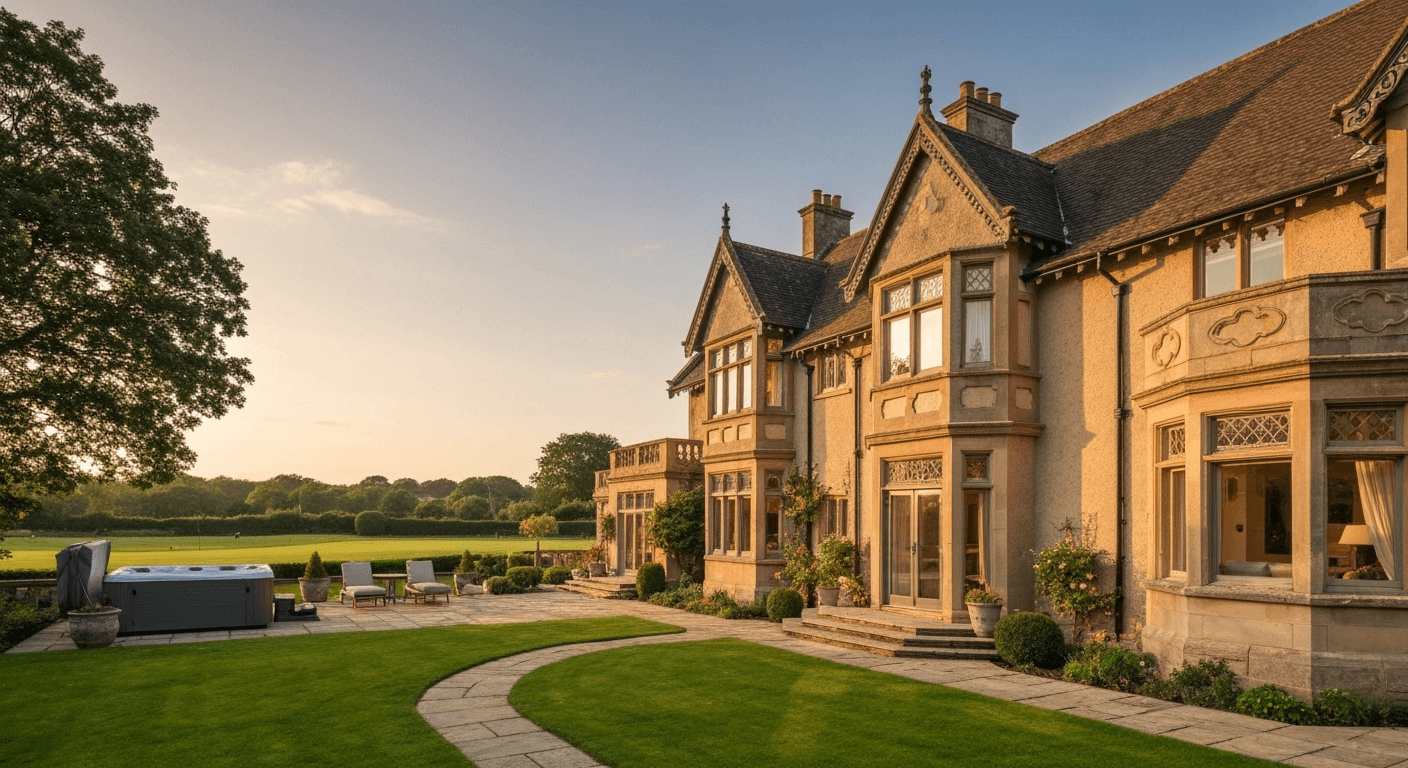
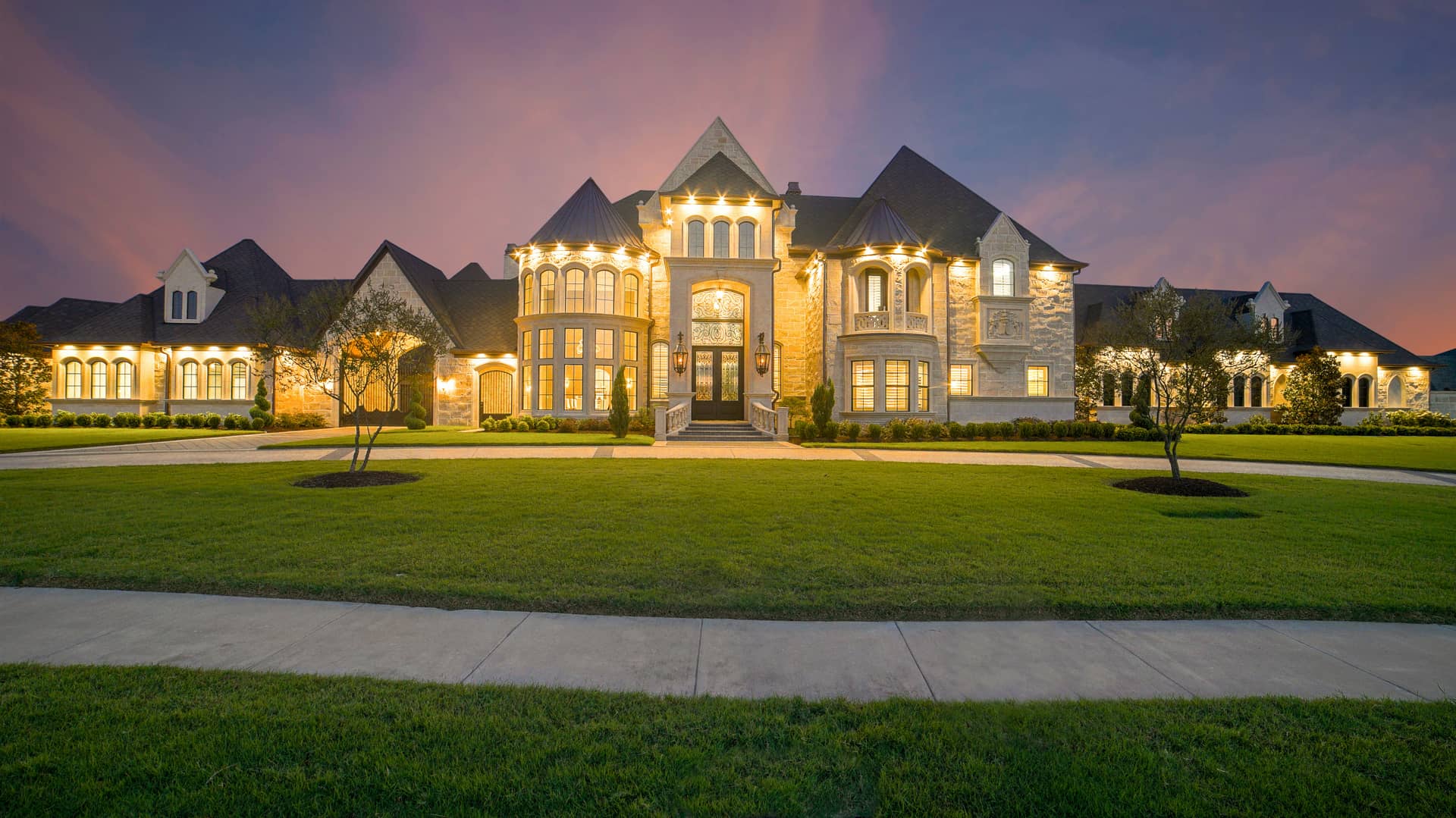
Converted barns and farmhouses dominate the smaller end of the large-group market, where the appeal is a big open kitchen and a garden — The Gathering House in Buxton, sleeping up to 12, is a good example of that scale. As numbers rise you move into manor houses and country piles, where the draw is scale, grounds and character, such as Gunthorpe Hall in Norfolk at up to 52. The very largest groups usually need an estate with more than one building, which brings its own question: whether the group is genuinely together or is quietly split into an A house and a B house.
Property type should follow the occasion as much as the headcount. A milestone birthday with a formal dinner wants a manor house with a proper dining room; an entertainment-led weekend wants a party house with the space and the terms to match; a family gathering across three generations wants level access and a garden more than it wants grandeur.
Above around twenty guests the practical problems change character entirely — tables, bathrooms, fridges, parking — which is why we wrote a dedicated guide to booking accommodation for 20-plus guests.
The five things that actually break a house at scale
Every group house failure we have seen comes down to the same short list, and none of it is visible in a well-shot photograph.
The table. If one table does not seat everyone in a single arrangement, the group splits at every meal, and the shared dinner that was the point of the trip becomes two dinners. Count the chairs in the photographs and ask the owner to confirm the number in writing.
Bathrooms and hot water. The bathroom count is only half the answer. A house with five showers and one domestic cylinder still produces a queue and a cold shower at half past eight. Ask whether the system is mains-pressure or tank-fed, and how it copes with a full house.
The kitchen. Domestic kitchens are built for two people and a Sunday roast. For a big group you want more than one oven, more than one fridge, and a dishwasher that will get through the day. One fridge for twenty people is where the milk war begins.
Parking. “Ample parking” is not a number. Ask for the actual count of spaces, and ask where the overflow goes — on a rural lane, the answer genuinely matters.
Somewhere to be together. A house can sleep everyone comfortably and still have no single room where all of you can sit down. That is the one thing a group weekend cannot do without, and it is the most commonly missing feature at every size.
The money, honestly
GoHen’s 2025–26 industry report puts the average UK hen do at £203 per person – typically two nights with multiple activities included, with food, travel and extras on top – and the house is usually the biggest single line within it. What a given house costs, though, is set by its owner and moves with the season, the property and the night of the week, so the only figure worth putting in a group chat is a real quote for your dates.
The same applies to everything around the headline rate. Cleaning charges, security deposits, balance dates, cancellation terms and minimum stays are all set individually by each owner rather than to an industry norm. Ask for one written total covering everything before you quote a per-head price, because a figure you later have to revise upwards is how organisers lose the group’s confidence. Our group holiday budget planner does the arithmetic, and settling how the total is divided before you announce it is what keeps a group calm.
When to book
Butlers in the Buff’s booking records show 56% of bookings being made between January and May, and a median booking lead time of 82 days across our sister brand’s bookings. Both numbers tell the same story: there is a real spring surge in booking, and the median organiser is booking later than the competition for peak dates.
Large-group houses are the scarcest inventory in UK self-catering — there are simply far fewer houses that sleep twenty than sleep six — and they go first for the obvious weekends. If your date is fixed and popular, treat the median as a warning rather than a target. If your dates are flexible, that scarcity flips in your favour: self-catering calendars have far more empty nights than full ones, and most of those empty nights fall midweek. Our midweek group stays guide covers how to use that.
The direct-with-owner difference
Booking direct means you can ask a human being real questions before you pay, and get answers a listing page will never give you. Does the table seat twenty-two or twenty? Is the hot tub actually working this month? Can a chef use the kitchen? What happens if four people arrive at nine at night?
The quality of those answers is also the best signal you will get about the stay. Owners who reply precisely and quickly to specific questions are, reliably, the owners whose houses work on arrival. Vague answers are the warning sign, particularly on access, noise and deposits — because vagueness is what turns into a disagreement at checkout. We keep the full list in questions to ask before booking a group house, and the process from first enquiry to arrival is laid out step by step in our large house booking checklist.
Groups with a wide range of ages and mobility
A house can be far better than a hotel for a mixed group, because everyone shares one space instead of meeting in a lobby — but only where the layout genuinely fits. The questions are specific: steps at the entrance and the surface between parking and the door; stairs between the kitchen, dining room and sitting room; whether a ground-floor bedroom has a suitable bathroom close to it; and whether the main social rooms are all on one level.
Ask them in the first enquiry rather than hoping on arrival. Our accessible group accommodation checklist sets out exactly what to put to the owner.
Where to go deeper
Planning a hen weekend? Start with hen party houses. A work trip needs a room that genuinely works for a day round a table. Feeding a crowd? The meals and catering guide. Worried about the neighbours? Our noise and neighbour guide. And for where to actually go, the Peak District, Cotswolds and Bath are the three answers we are asked for most often.