Cornwall is glorious, and we will not pretend otherwise. But we owe you the honest version first: it is a long way from almost everywhere. There is no motorway west of Exeter, the A30 is the only real artery, and it does not care that you booked a table for fourteen. That single fact should shape your entire booking, because a group that arrives late and frazzled has already spent the first evening of a short weekend.
How much of our own inventory is in Cornwall
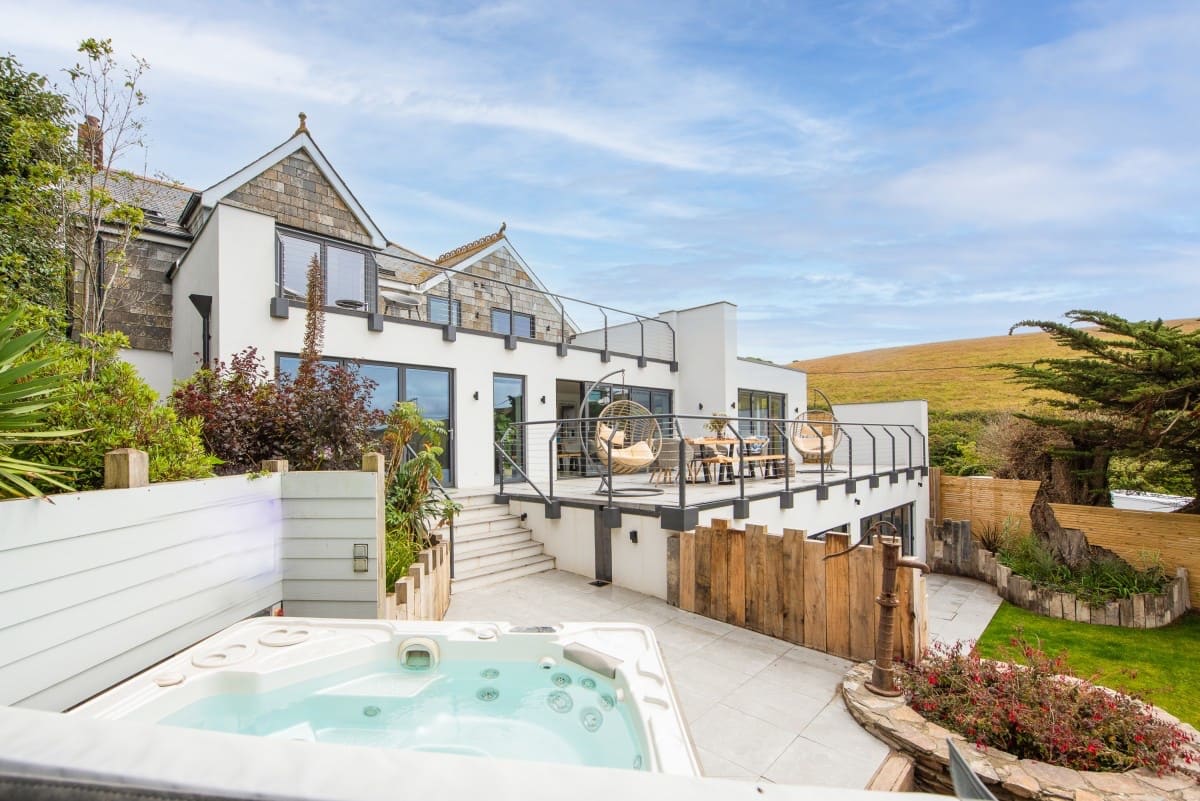
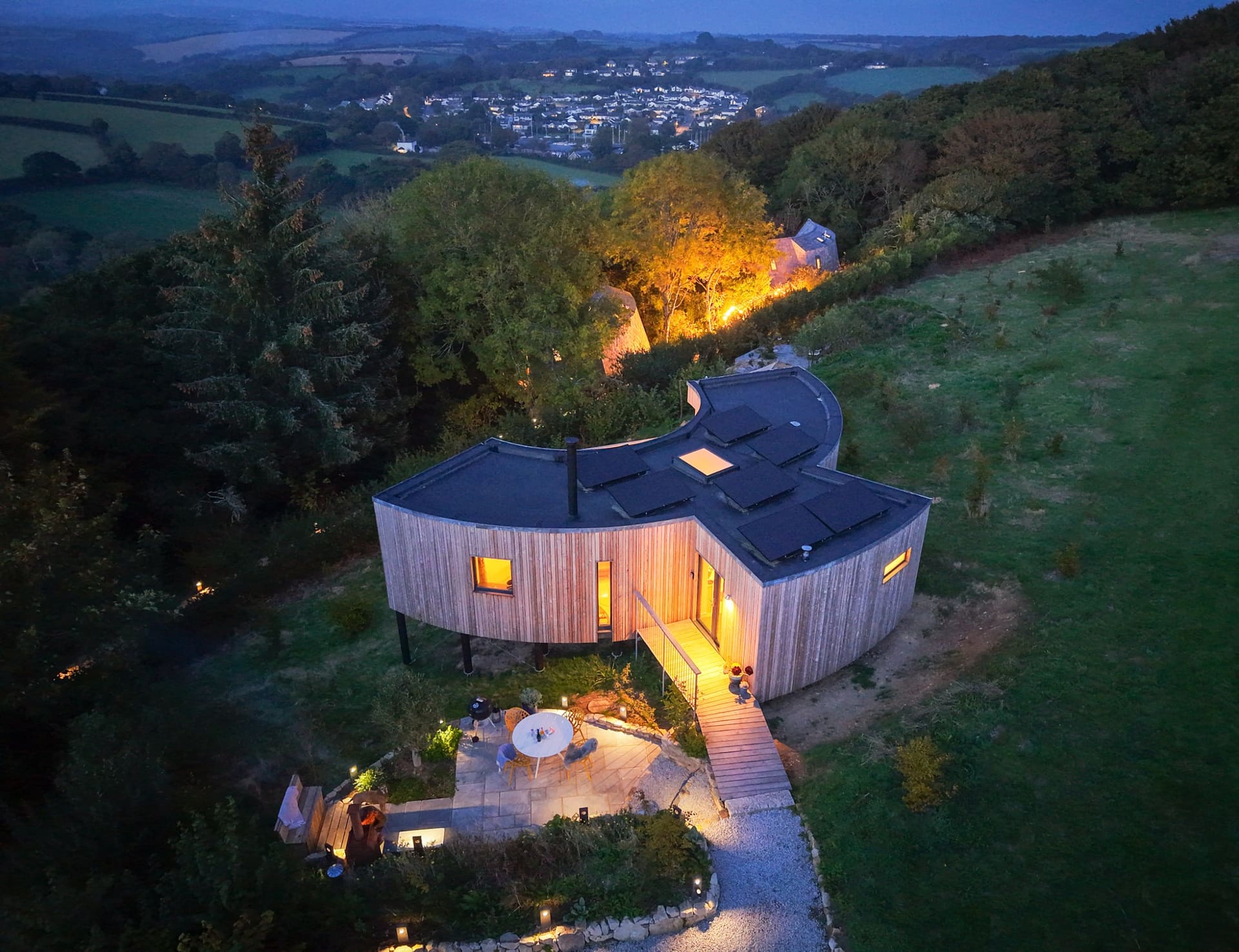
Straight answer rather than a claim about coverage: of the 33 houses live on this site on 4 September 2026, 2 are in Cornwall. The Peak District is our largest cluster at six houses, then the Cotswolds at four. We would rather tell you the number than imply a national grid we do not have — if the house you want is not here, the questions in this guide still apply to whoever you book with.
Cornwall rewards longer stays
Our firm advice is to treat Cornwall as a four-or-five-night destination rather than a Friday-to-Sunday one. Over a longer stay the journey shrinks into a one-off cost and the county finally opens up — beach mornings, a boat day, a stretch of the South West Coast Path, and the long slow dinners that big houses are built for. If the only thing everybody can commit to is a weekend, book Devon instead and save Cornwall for the trip it deserves. Groups who overreach on distance tend to spend Sunday morning talking about the drive home rather than the weekend they have just had.
Which part of Cornwall suits your group
Cornwall is not one destination, and choosing the wrong corner of it is the most common planning mistake we see. Decide what the group actually wants to do before you shortlist a single house.
Padstow, Rock and the Camel estuary
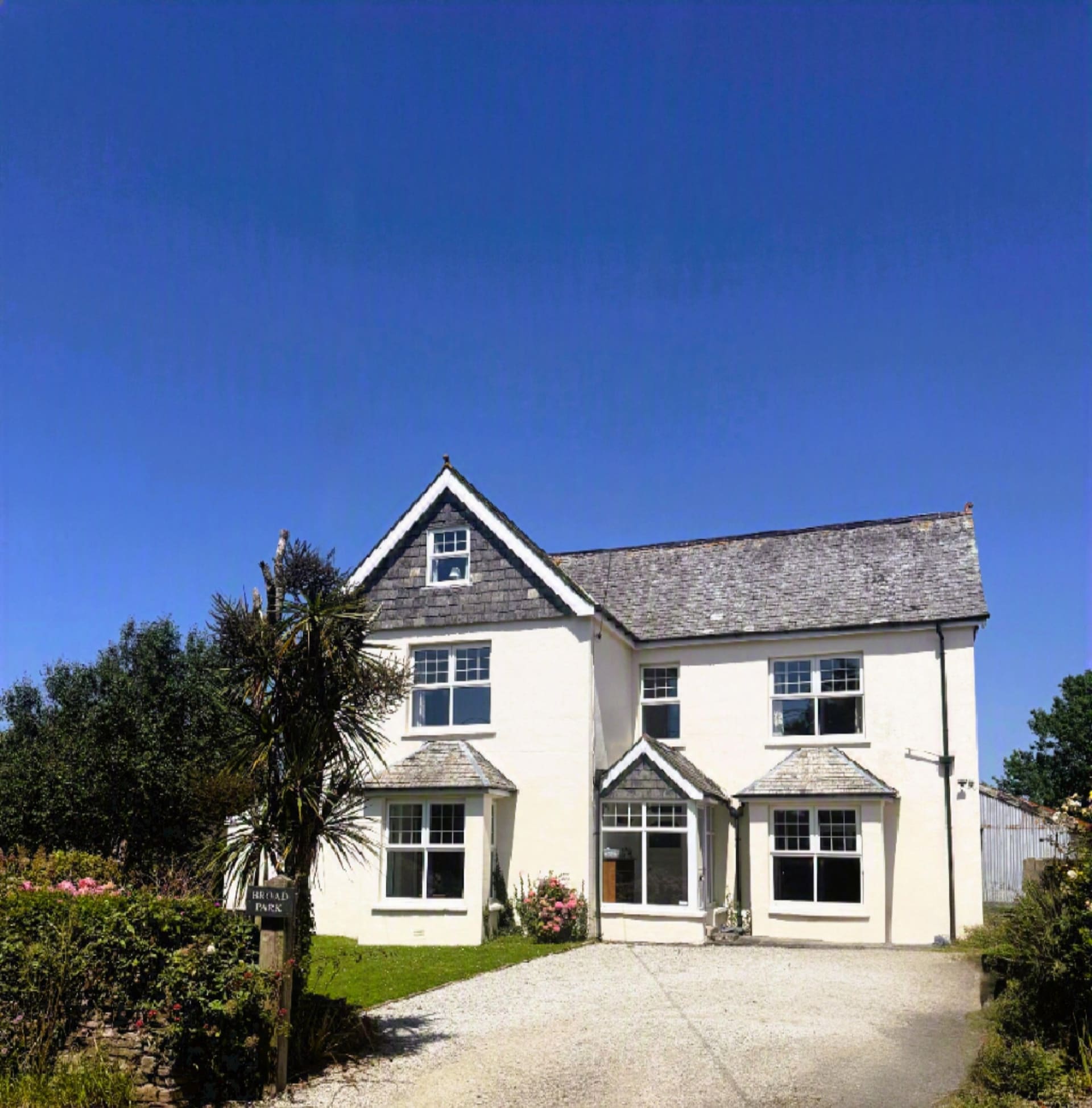
The county’s food-and-water pocket: restaurants, the passenger ferry across the estuary, the traffic-free Camel Trail for cycling, and the beaches of the north coast within easy reach. It is the most in-demand pocket in Cornwall, and prices reflect that. Right for groups who want to eat well and be somewhere lively. Broad Park, in Rock itself, sleeps up to 11 across six bedrooms and includes a ground-floor bedroom with step-free access — worth knowing if anyone in the group has limited mobility.
Penwith, St Ives and the far west
Galleries, the extraordinary light, the wildest stretch of coast path in the county and the most swimmable beaches. It is also the furthest west you can go, so it makes sense only if you are staying long enough to justify it.
The Roseland, Fowey and the south coast
Sheltered creeks, wooded estuaries and a gentler feel altogether. Good for boats, kayaks and groups with a wide age range, and generally quieter than the north coast in season.
The Lizard and Bude
The Lizard is the dramatic, remote option — brilliant for a group that genuinely wants seclusion, less so for anyone hoping to walk to a bar. Bude, at the other end, is the shortest run into the county and a sensible compromise when half the group is dreading the journey.
Getting a large group there without losing the first evening
Rail is a genuine option: the main line runs through Bodmin Parkway, Truro and St Erth down to Penzance, with branches to St Ives, Falmouth, Newquay and Looe, and an overnight sleeper from London. The catch is the last leg. Almost no group house sits within walking distance of a station, so budget for taxis or book a minibus in advance rather than assuming a rank will materialise on a Friday night.
If you are driving, stagger the arrivals. Cars leaving at different times spread the load and stop the whole group sitting in the same queue. Confirm with the owner how many vehicles the property actually takes — Cornish parking is frequently a gravel yard, not a car park — and check lane access before you book a minibus, because plenty of coastal approaches are single-track with passing places and high hedges. It is worth nominating one person to arrive first with the key, the shopping and the heating on.
Seasons and the trade-offs that come with them
High summer buys you the warmest days, the fullest programme of boat trips and lifeguarded beaches, and the busiest roads, car parks and restaurants of the year. Late spring and early autumn buy you calmer roads, easier restaurant tables and a coast at its best, at the cost of shorter days and a few seasonal businesses closing. Winter is genuinely good for a storm-watching, fire-lit house weekend, provided nobody has been promised a beach holiday.
Whatever season you choose, book earlier than feels necessary. Butlers in the Buff’s booking records — our sister brand, with over 20 years of trading behind them — show 56% of bookings being made between January and May, which tells you when the organised half of the country is making its plans. For a broader view of when to go, our guide to the best UK destinations for large group weekends compares Cornwall against the alternatives.
What to check before you commit
The Cornish-specific questions are about access and logistics rather than decor. Ask whether the whole group can sit down to eat at one table, because a house that sleeps sixteen and seats ten will split every dinner. Ask what “beach access” involves — a five-minute stroll and a steep cliff path with steps are both described that way. Ask about mobile signal and broadband if anyone needs to work or if you are relying on a group chat to coordinate. And ask about the drying situation, because wetsuits and dogs generate a remarkable amount of damp — if the dogs are coming, our dog-friendly group house guide covers the questions to settle with the owner first.
Deposits, cancellation terms, minimum stays and house rules are set by the individual owner, so read them properly rather than assuming a standard across the county. Our questions to ask before booking a group house covers the full list, and it is worth working through with the whole group rather than alone — the person paying the deposit should not also be the only person who has read the terms.
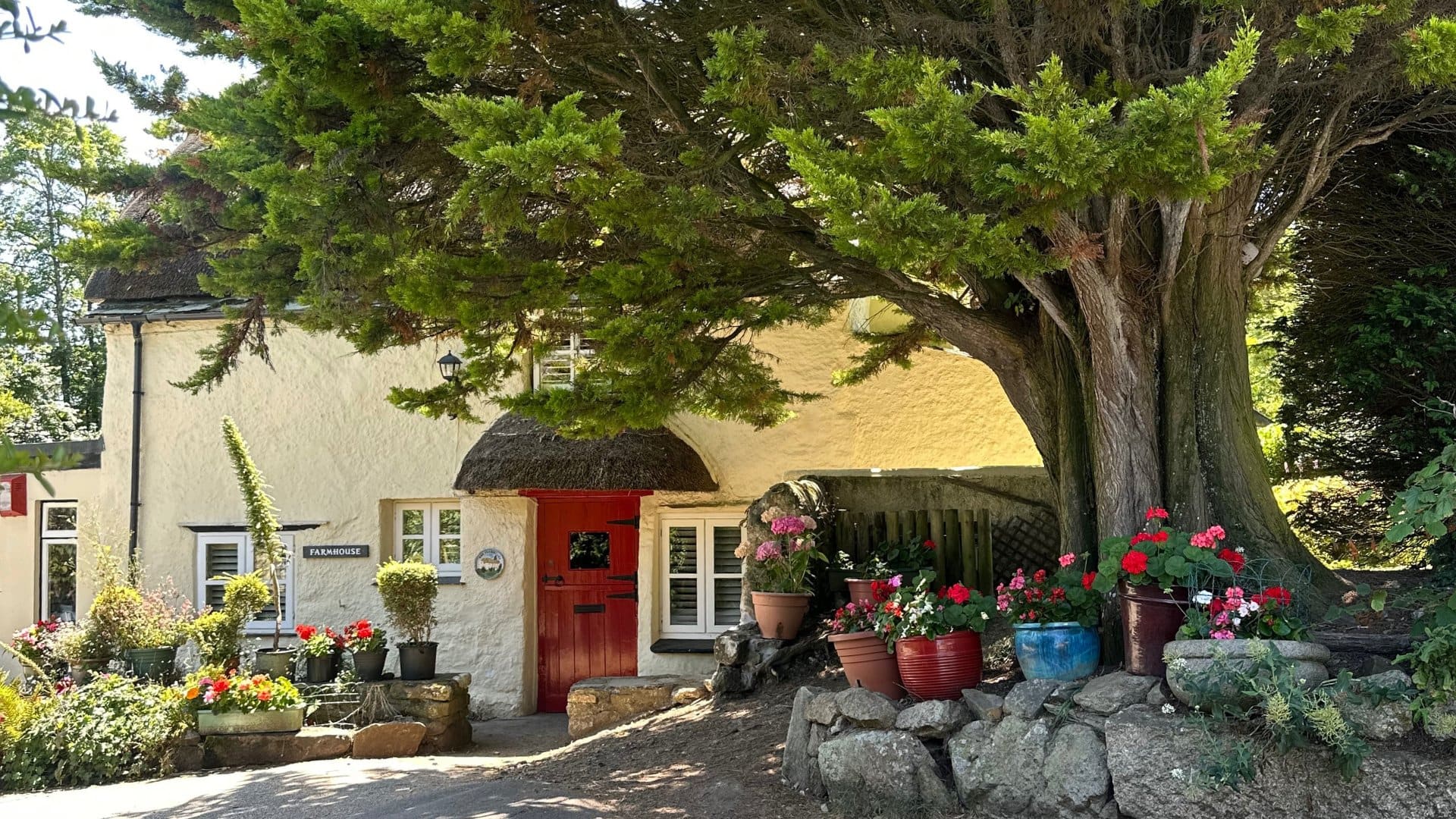
One further Cornish specific: check what happens if the weather turns. A house whose entire appeal is the view over the bay is a different place in three days of rain, and a group of sixteen needs somewhere indoors to be together. A big kitchen, a games room or simply a sitting room that genuinely seats everyone is what saves a wet weekend, and it is worth weighting that above a slightly better sea view when you are choosing between two properties. The Farmhouse is one of the few Cornish houses on our books with its own indoor pool and sauna alongside a games room, so a washout afternoon still has somewhere to go.
Building the stay so it works for everyone
The strongest Cornish itineraries alternate. One big day out — a boat trip, a surf lesson, a proper section of coast path — followed by a slow day based at the house. That rhythm suits mixed-ability groups far better than trying to move everyone every day, and it makes the house earn its keep.
For multi-generational trips, look for at least one ground-floor bedroom and choose an estuary or a garden over a clifftop. For hen and birthday weekends, bring the celebration to the house rather than driving to it: a private chef for the Saturday, a cocktail masterclass in the kitchen, or spa treatments delivered to the property all work better than a late-night taxi hunt in a village with one pub. Our group house activities guide has more options that do not require anyone to drive.
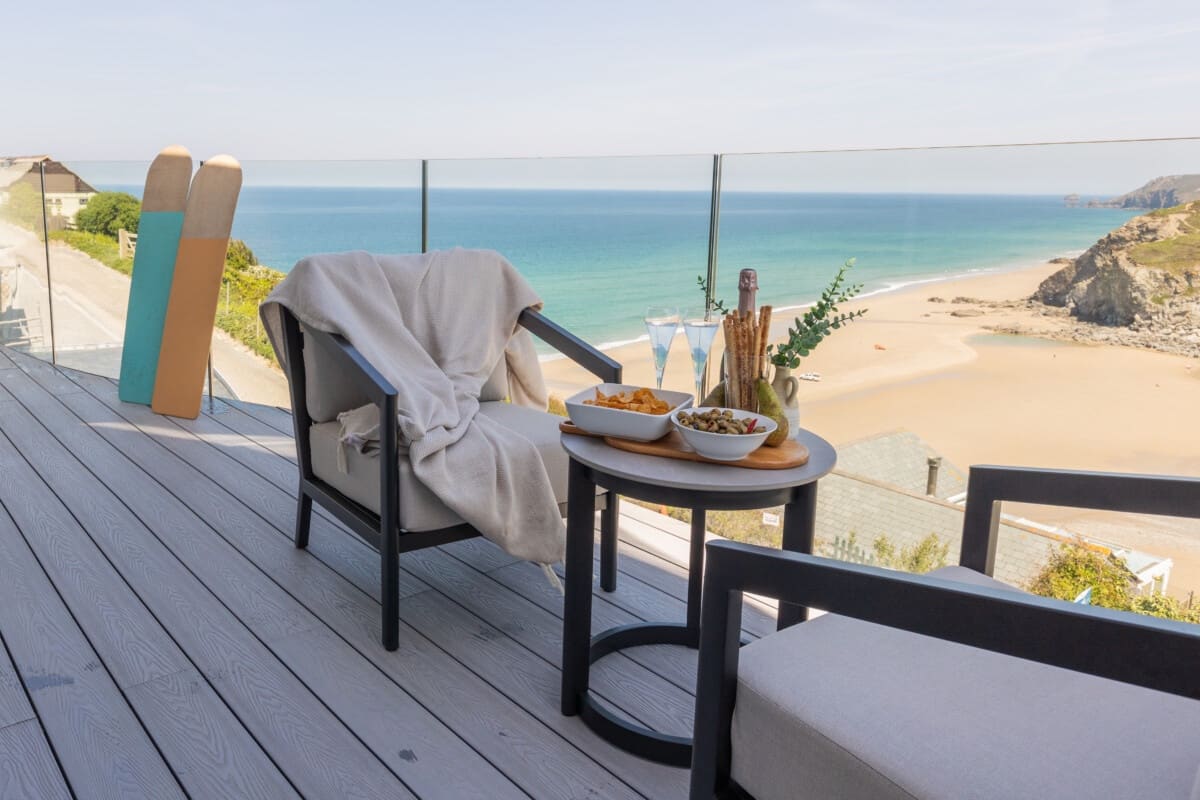
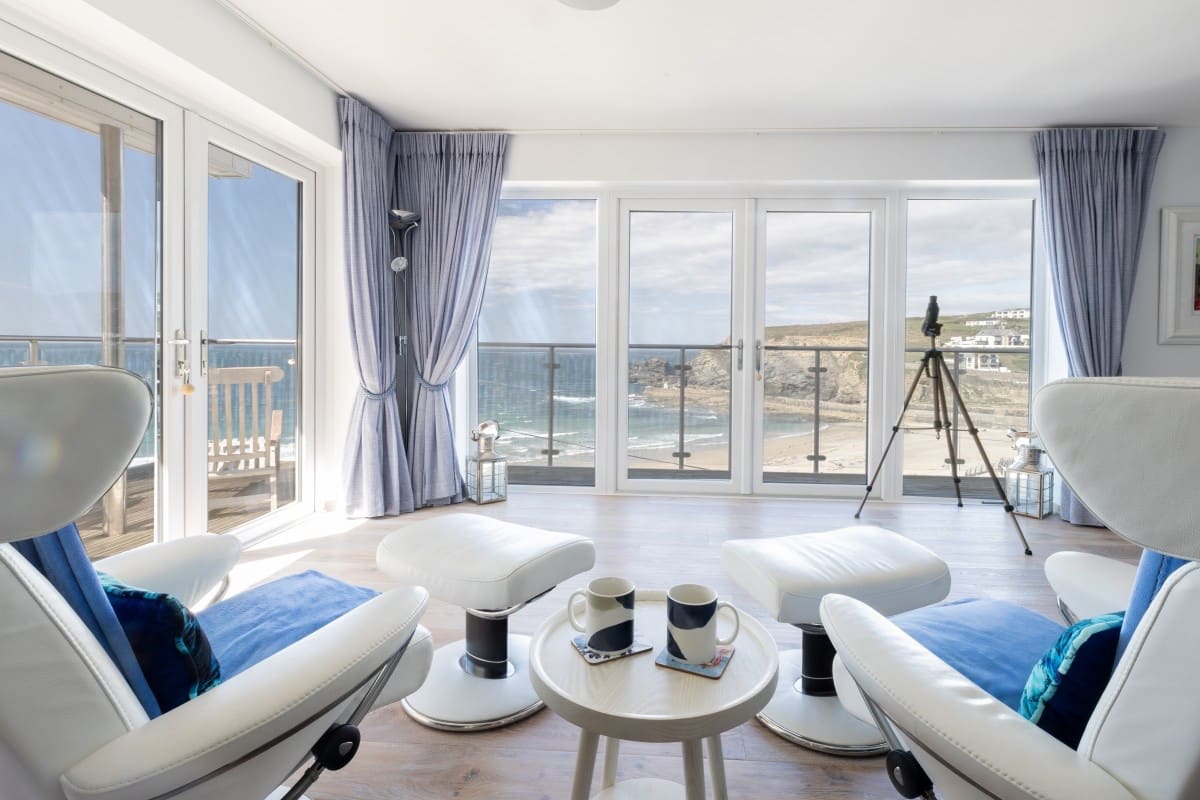
When you are ready, browse our Cornwall group houses, sanity-check the numbers with the group budget planner, consider coastal houses with sea views if the water is the whole point, or scan the full collection if the journey has you wavering.
Where these numbers come from
The booking figures in this article are our own, not an industry estimate. They come from the booking records of our sister brand Butlers in the Buff, which has been running group celebrations for more than twenty years and has served over 100,000 groups — so they describe what groups actually did, not what a survey says they intended to do. They are counts taken from those records rather than projections, and where we quote a share (for example the share of bookings made in a given month, counted by the month the booking was placed rather than the month of the event) it is a share of that whole dataset.
Two honest limits. It is one company’s book, weighted towards hen and stag celebrations, so it describes the celebration market rather than all UK group travel. And it is historical: it tells you how groups have behaved, which is a good guide to how they will behave, not a forecast. Anything from outside our own records is attributed in the sentence it appears in and linked below.
Sources
- Butlers in the Buff booking records — our sister brand’s own bookings, over 100,000 groups across more than 20 years of trading
Figures from our own booking records are counts, not estimates. Third-party figures are quoted as the original report gives them and linked above so you can check them. Last checked 4 September 2026.