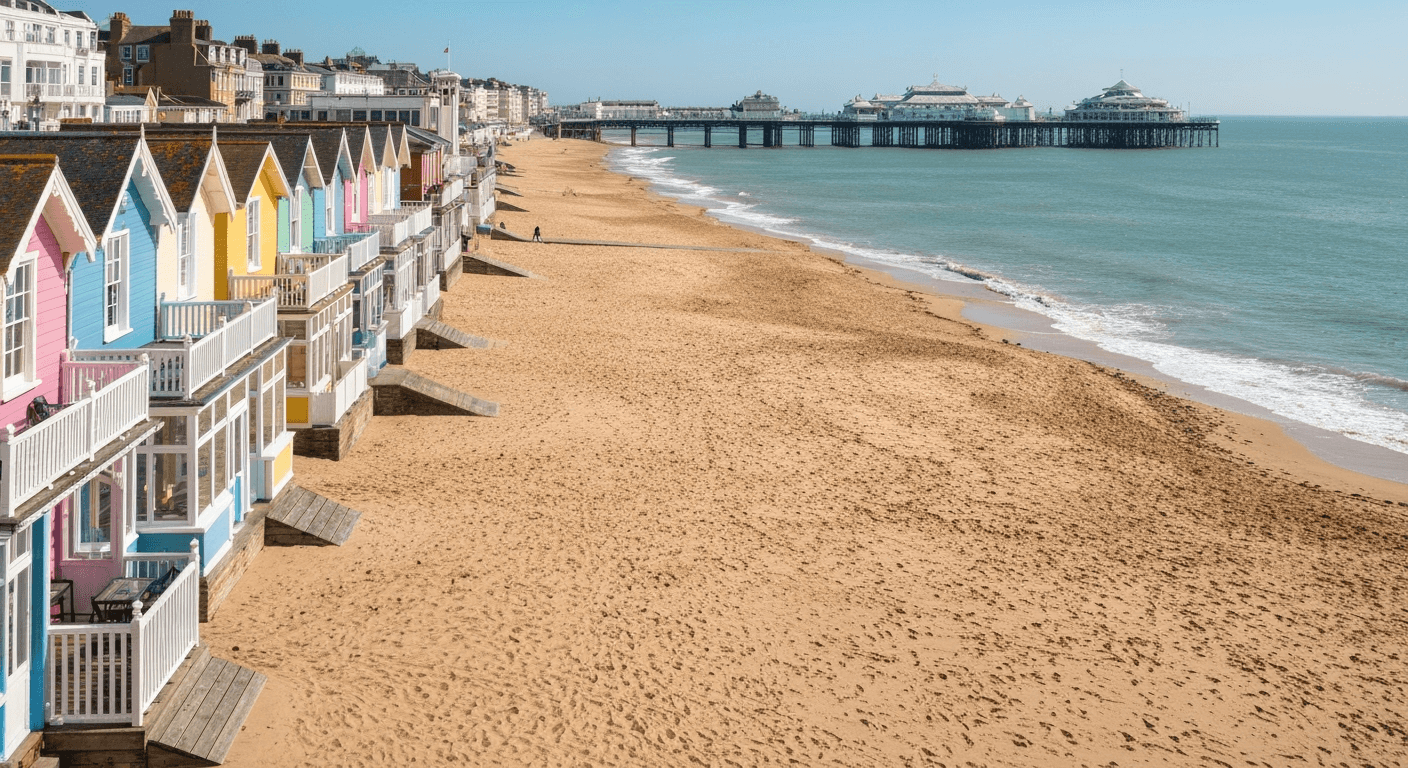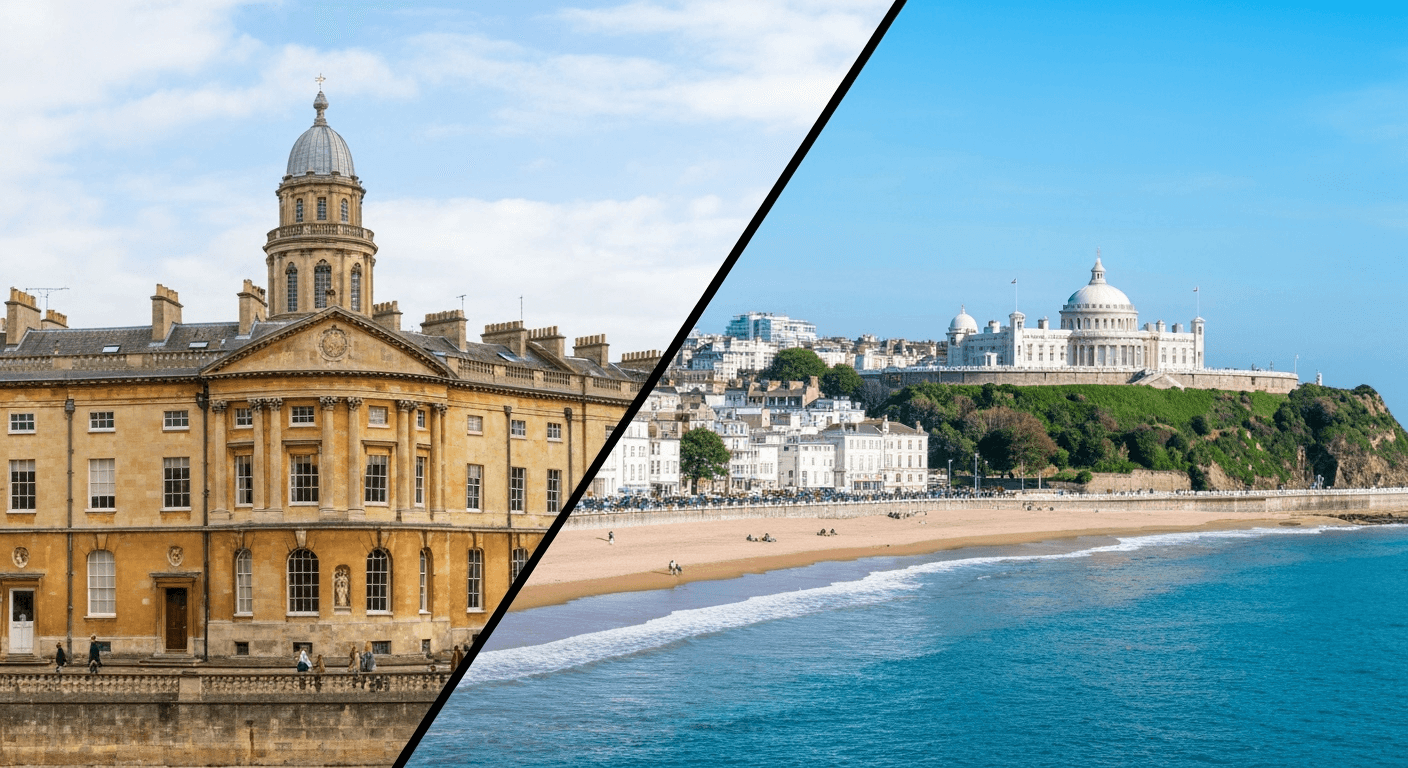

Here is what a hotel conference room cannot give you at any price: privacy. Book a meeting room off a hotel corridor and your strategy day is happening within earshot of whoever wanders past the door — other companies, other guests, the coffee-station queue. Take a whole house instead and the walls belong to you. Nobody overhears the numbers, nobody lowers their voice for the sensitive slide, and the flipchart can stay up all week. For any offsite where the content actually matters, exclusive use is not a nice-to-have — it is the point. Hoe Park House in Plymouth is one of the properties on our books explicitly geared towards corporate groups, with the waterfront and the city’s restaurants a short walk away for the evening once the agenda is done.
The practical figures a company booker needs
For a work retreat the boring facilities matter most. Of the 33 houses live on this site on 4 September 2026, thirty have wifi stated on the listing, thirty-one have parking and twenty-nine a large dining space that doubles as the room you actually work in. Eighteen are set up for outside caterers or a private chef, which is usually the difference between a productive day and an hour lost to lunch.
One big table, and the evening that does the real work
Every large house has the same secret weapon: the dining table. A dozen or more seats, natural light, no hotel banquet catering — that table is your meeting room, and it tends to produce better sessions than any beige suite with a projector. But the real reason to choose a house is what happens after the agenda ends. In a hotel, everyone scatters to their rooms and the day is effectively over by early evening. In a house, someone cooks, someone opens a bottle, and the conversation that actually changes how the team works happens later, on the sofas. The evening is the team-building; everything before it is just the excuse.
The midweek arithmetic your finance director will love
Midweek stays often run below weekend rates, which can make a Tuesday–Thursday offsite one of the better budget decisions in this market — ask individual owners for their midweek corporate rate to confirm. And you're often pushing at an open door: self-catering calendars have far more empty nights than full ones, which means many houses sit empty most midweeks and owners are often motivated to fill a corporate booking. A Cotswolds farmhouse or a Yorkshire manor midweek can be genuinely competitive against a city conference venue once accommodation is factored in on both sides — but only a real quote for both tells you for certain.
The four checks that separate a retreat from a headache
First, verified wifi speed — not “fast wifi” in the listing, but an actual speed-test screenshot from the owner; rural broadband is the one thing that can sink a working offsite. Second, a second breakout room, because one group always needs to split. Third, count the ensuites: colleagues are not friends, and nobody bonds over a shared bathroom rota. Fourth, confirm invoicing and VAT arrangements with the owner directly — a proper invoice matters to your accounts team more than the hot tub. Browse our large houses with those four filters in mind and the shortlist builds itself.
Building the actual agenda
The venue is only half the job. Decide the one outcome the retreat needs to deliver before you book anything — shipping a plan, integrating two teams, or simply giving a remote group a shared experience — and let that decide the shape of the days. Structured mornings, an active or outdoor afternoon, and a protected, unstructured evening is a pattern that works for most objectives. Our full corporate retreat planning guide covers the agenda in detail, and our meals and catering guide covers the private-chef option if nobody on the team wants to own the cooking.
What to confirm before the finance team asks
Beyond the venue itself, corporate bookings carry a few extra questions worth settling early: whether the owner can issue a proper VAT invoice, what the cancellation terms are if the retreat needs to move, and whether outside facilitators or caterers are permitted on site. None of these are standardised across the industry, so get them in writing at enquiry stage rather than discovering the answer when you need it.
Choosing between a working retreat and a reward trip
Not every offsite has the same purpose, and the property brief changes accordingly. A working retreat with a genuine agenda needs a proper table, reliable wifi and at least one quiet breakout space above almost everything else. A reward or celebration trip for a team that's hit a target can lean harder into the features that make a house feel special — a hot tub, a games room, a private chef dinner — since the point is less about shipping decisions and more about marking an achievement together. Decide which kind of trip you're planning before you start comparing houses, since the two briefs can pull towards quite different properties.
Getting buy-in from a sceptical team
Not every colleague is thrilled about a weekend spent partly with people they otherwise only see in meetings. Being upfront about the shape of the retreat — how much is structured work versus free time, whether attendance at every session is expected, what the evening plans actually involve — tends to convert scepticism into at least cautious interest. A retreat that's oversold as constant bonding and turns out to be a packed agenda breeds more resentment than one that's honestly described from the invitation onwards.
When a house retreat isn't the right call
It's worth being honest about when this format doesn't suit the brief. A retreat needing formal presentation equipment for external clients, one requiring strict data security beyond what a private house can offer, or one where several attendees have caring responsibilities that make an overnight stay genuinely difficult are all situations where a day-only venue or a hotel conference room may serve the team better. The house format works best when the informality and shared time are themselves part of the goal, not an obstacle to it.
Browse our corporate retreat houses collection to start a shortlist with these questions in mind, and our large house booking checklist covers the wider process of getting from shortlist to signed booking.
How we counted
The figures above come from reading every one of the 33 houses live on Group Escape Houses on 4 September 2026 and recording what each owner states in their own listing. Where an owner has not stated something we count it as not stated rather than assuming it. Price figures exclude one listing whose advertised weekend total is clearly a nightly rate, which would otherwise drag the median down; that leaves 32 houses in the price counts and 33 in every other count. It is a small sample and we say so plainly — but it is the exact set of houses you are choosing from here, counted on a stated date rather than described in round numbers.
Sources
- Group Escape Houses — our own count of every house live on this site on 4 September 2026
These are counts of live listings, not estimates or projections. We recount them when the inventory changes. Prices are the owner’s advertised weekend total for exclusive use of the whole house.