You can tell a house was chosen by a walker, not a browser, from one room: the drying room. Not the hot tub, not the cinema snug – the warm cupboard where twelve sets of boots and waterproofs go in dripping on Saturday and come out bone-dry on Sunday. Cumbria Tourism counted 17.73 million visitors to the Lake District in 2024, and I’d wager most of the soggy ones learned this lesson the hard way.
What walkers actually need from a house
After years of hosting walking groups, the wish list is unglamorous and absolutely consistent. A drying room or utility with a heated airer – radiators draped in socks cause arguments. A boot area by the right door, ideally with a tap. Dogs welcome, because every serious walking group has at least one spaniel. An enormous kitchen table for the map-and-flask ritual. And doorstep routes, because the group that has to drive some distance to a trailhead walks once; the group that steps out of the gate walks twice a day. None of this is standard across every listing, so if a property page does not mention a drying room or boot storage, ask before you book rather than assuming it exists.
Bigger groups, better economics
Walking parties run large – clubs and long-standing groups often fill a house on their own. Large houses reward them, because the rent is fixed and every extra walker divides it further. Split across a full farmhouse, the per-head cost frequently lands below what a hotel charges for a single room with nowhere to dry anything. Get a quote for your dates and divide it by the boots, and if numbers are still uncertain a fortnight out, our dog-friendly group houses guide is worth reading alongside this one, since the two lists of features overlap almost entirely.
A club or regular walking group also has an advantage a one-off gathering does not: you already know roughly how the last trip went. Use that knowledge rather than starting from scratch each time – if the drying room was too small last year, ask specifically about capacity this time, and if the kitchen table sat six comfortably when you needed twelve, prioritise that on the next shortlist.
Choosing between the Lake District, the Peak District and further afield
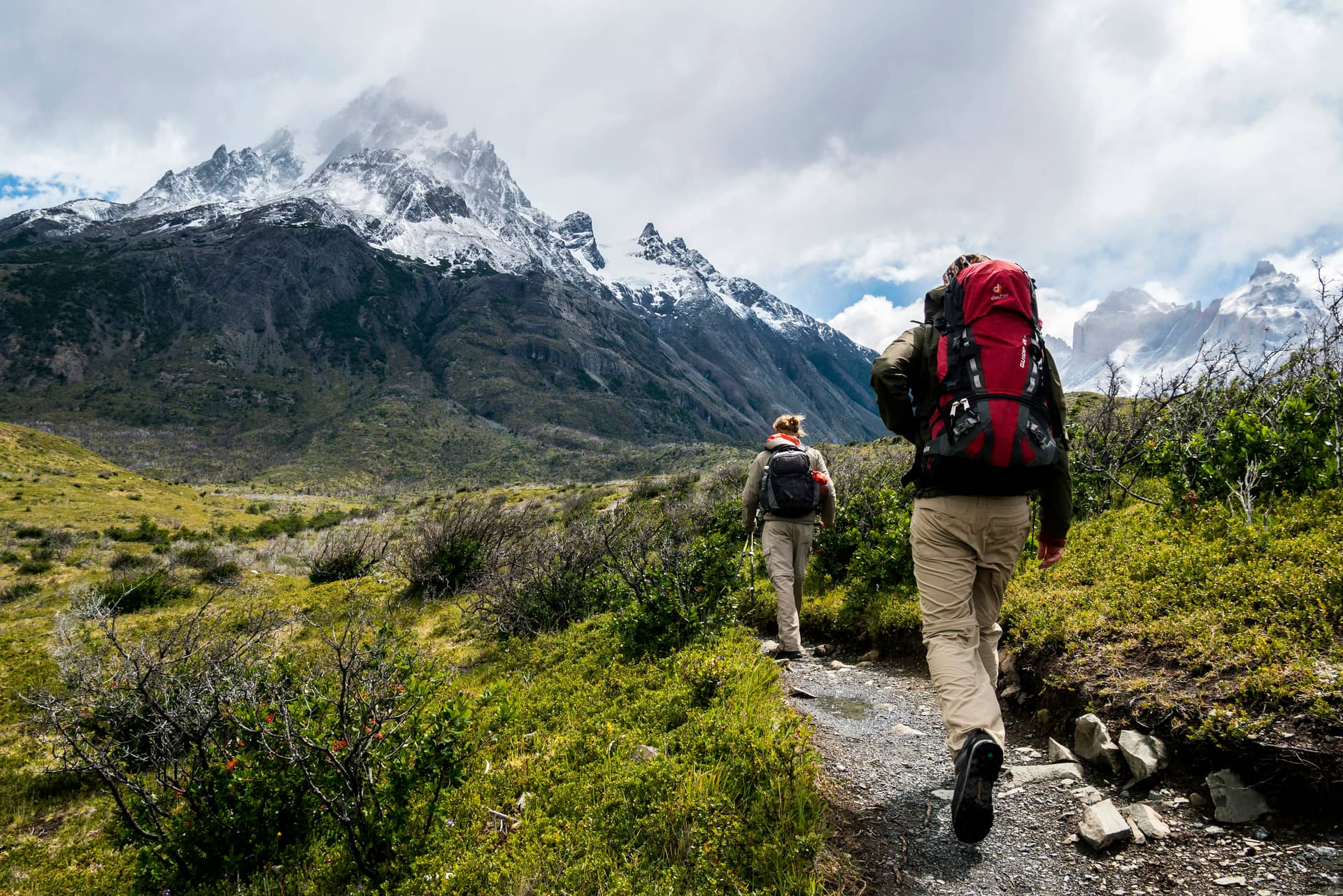
The Lake District is the obvious choice for a group that wants proper fells and a doorstep that opens straight onto a route – but it is also the busiest, so a house with off-road parking and a short walk-in matters more here than almost anywhere else. The Peak District sits more centrally for a group scattered across the Midlands and the North, with gentler gradients that suit a mixed-fitness party better than high fell country does; our guide to choosing large group accommodation covers how to weigh up a base there against the Lakes. For a group that wants something wilder and does not mind the extra travel time, Snowdonia and Scotland both offer terrain the Lakes cannot match, though logistics for a large group take more planning the further you go.
Mixed-ability groups: plan the split, not the compromise
Every walking group eventually contains one member training for a mountain marathon and one who would rather potter to the pub. Trying to find a single route that satisfies both produces a walk nobody enjoys. The better approach is a hub-and-spoke day: drive to a valley or village together, then split at the car park – a high-level route for the ambitious, a lower loop or lakeshore path for everyone else – and name a pub or cafe as the meeting point in advance. Everyone gets the day they actually wanted, and the whole group reconvenes for dinner rather than one half quietly resenting the other by Saturday afternoon.
Arrival, parking and the boot-room reality
Walking groups arrive with more kit than almost any other type of group booking – boots, poles, wet-weather layers, dogs, and cars that need somewhere to sit for two days. Confirm parking capacity before you book, not after, since a house that looks perfect in photos can have space for four cars and a party of six vehicles. Ask specifically where boots and wet kit are meant to go, because a house without a clear answer usually means it ends up in the hallway, and check the check-in and check-out times against your planned walking days – nobody wants to cut the best route of the weekend short because the owner needs the house back by ten.
Go where the paths are, when others aren’t
Self-catering calendars have far more empty nights than full ones — overwhelmingly midweek and off-season — and walking groups are perfectly placed to exploit that: you want October clarity and February frost, not August crowds. The Lake District is the obvious cathedral, but the Yorkshire Dales and Moors give you emptier paths and gentler prices for the same wet boots. Midweek works even better than an off-season weekend if your group has any flexibility at all – our midweek group stays guide explains why owners tend to welcome it.
What to confirm with the owner before you commit
Beyond parking and boot storage, ask about dog policies in writing if your group is bringing more than one – some owners cap the number or restrict which rooms dogs can access. Confirm whether the heating is included or metered separately, since a house full of wet, cold walkers in January runs the radiators hard. And ask what happens if weather forces a change of plan – not every house has enough indoor space to keep a large group entertained through a full washed-out day. Our questions to ask before booking a group house covers the wider list, and it is worth working through before you put down a deposit.
When you are ready to plan properly – routes, houses, logistics – our Lake District walking weekend guide is the deep-dive, and our Lake District group accommodation planning guide lists the kind of properties that make the drying room the star of the listing rather than an afterthought.
One thing worth prioritising: book the house with the boring utility room over the one with the hot tub. By Sunday morning, dry socks usually beat warm bubbles – though the group that finds both rarely books anywhere else again.
Sources
Third-party figures are quoted as the original report gives them and linked above so you can check them. Last checked 4 September 2026.
Frequently Asked Questions
What features should I look for in a group house for walkers?
Which UK national park is best for a group walking weekend?
What is the best time of year for a group walking weekend in the UK?
How do we plan a walk that works for both serious hikers and casual walkers?
Do group houses in walking areas usually allow dogs?
What should we check about parking before booking a walking group house?
What happens to a walking weekend if the weather turns bad?
Is it cheaper to book a walking weekend midweek or off-season?
Share this post