The best party venue in Britain isn’t a venue at all. It’s the lawn of a big group house in June, when the light holds until ten and nobody has to book a taxi home because home is twenty feet away. Having watched more than 100,000 group celebrations unfold over 20 years of Butlers in the Buff bookings, I’d take a good garden over a function room every single time — here’s how the groups who use theirs well actually do it.
How much garden is actually “large”?
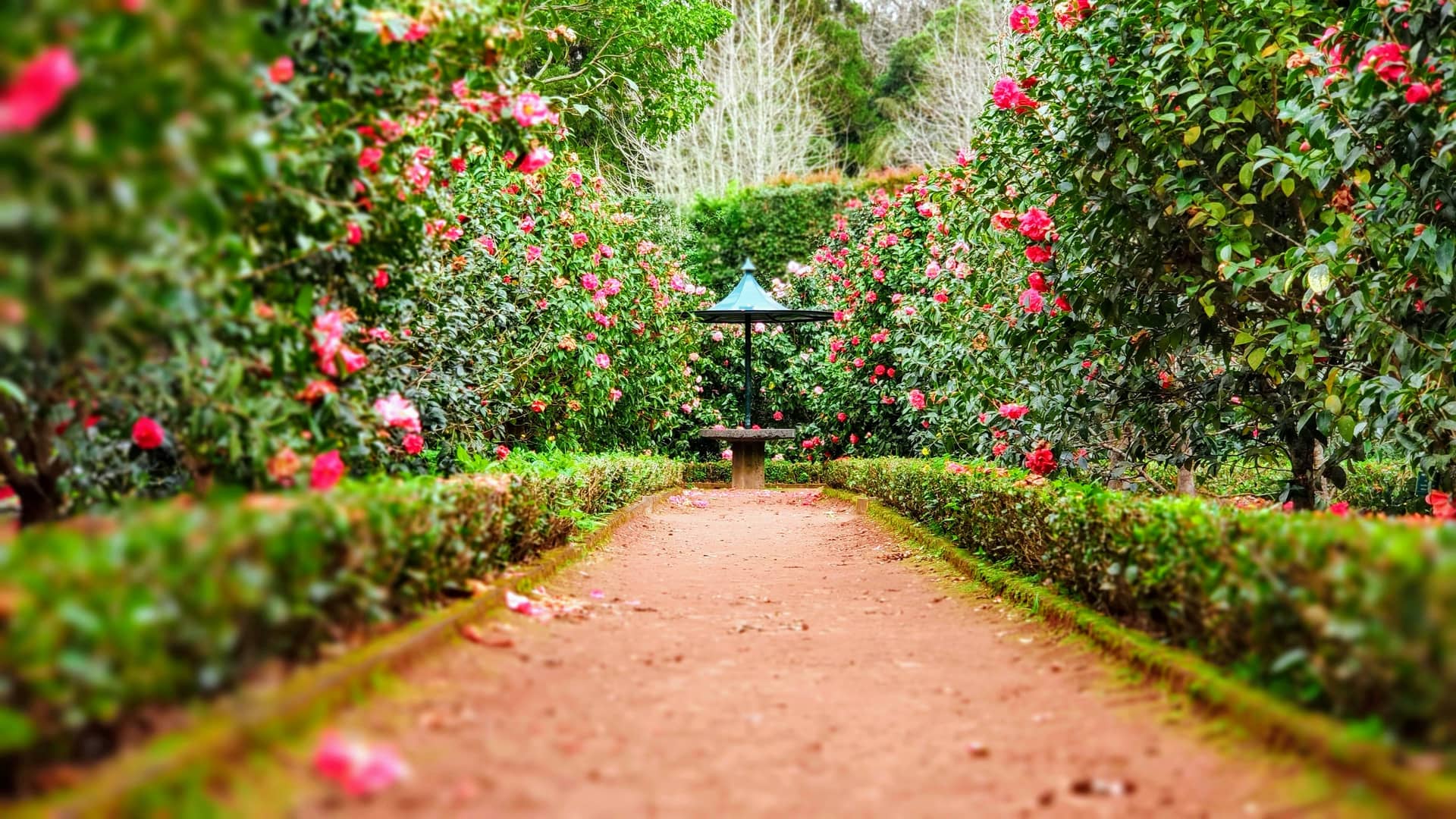
Listing photos lie about scale more than almost anything else in a property description. A wide-angle lens can make a modest lawn look like parkland, and “large garden” on a listing can mean anything from a generous walled plot to open grounds running to a boundary you can’t see from the house. Rather than trying to judge acreage from photographs, ask the owner directly what the garden actually offers: is it flat or sloped, fully enclosed or open, and is there a defined space for a long table and games away from flowerbeds nobody wants trampled. A short phone call answers in two minutes what a dozen photos can’t.
The garden games hierarchy
Every group discovers the same pecking order. Croquet gets admired and abandoned within the hour. Giant Jenga is good for twenty loud minutes. But rounders — proper, jumpers-for-bases rounders — will swallow an entire afternoon and drag in the people who swore they were just watching. Pack one bat and one ball; they outperform every boxed garden game ever sold. Whatever you bring, check the lawn itself can take it — a garden that photographs beautifully can still be too sloped, too small, or too close to flowerbeds for a proper game, so ask the owner honestly rather than assuming a big garden is automatically a flat, playable one.
The long-table dinner
One long table outside, every chair in the house dragged onto the lawn, food served in big dishes down the middle, is the single best use of a group garden. A large group around one outdoor table is a photograph people frame; the same group split across a dining room and a kitchen is just dinner. If the house has trestle tables in a barn or garage, ask — owners rarely think to mention them, and it saves you hauling dining chairs across wet grass.
The marquee-free party
You don’t need a marquee; you need festoon lights, one decent speaker, and a firepit for when the temperature drops. That’s the whole kit. A June evening does the rest of the decorating for you, and the party migrates naturally from table to fire as the light finally goes.
Parking, access and the practical side of a big garden
A beautiful lawn and a practical car park are rarely the same patch of grass, and a large group arriving in several cars needs somewhere for all of them that isn’t the space you’re planning to eat and play on. Confirm parking capacity and surface before you book — our large house booking checklist is a good place to work through this alongside the rest — since gravel or hardstanding copes with a wet weekend far better than grass does, which can turn to mud under six cars within a day. Ask, too, whether garden furniture is provided or whether you’re bringing your own; a large lawn with nothing to sit on is not the asset it looks like in photos.
Weatherproofing the outdoor plan
The UK garden weekend needs a plan B, not just a plan A. Ask what indoor space is available if the weather turns for a full day — a games room, a large kitchen, or a house with a dedicated cinema room all absorb a group that can’t be outside far better than a single small lounge does. Nobody wants to discover on a wet Saturday that the “large garden” house has nowhere comfortable for the whole group to sit indoors.
Safety in the garden with children or less mobile guests
A large garden brings real safety questions that a small one doesn’t. Ask specifically about the boundary if the group includes toddlers — a ‘large garden’ in a listing can mean walled and safe, or it can mean open lawn running down to a pond or a stream, and owners will tell you straight if you ask straight. For guests with limited mobility, ask whether the garden is level or terraced, and where the nearest flat, step-free seating area is; a stunning garden that’s all slopes and steps can quietly exclude part of the group from the best part of the weekend.
Choosing a destination for a garden-led weekend
The Cotswolds has a strong concentration of houses with well-established, mature gardens, while Devon and Cornwall add the option of coastal walks alongside garden time, which suits a group who wants both. Wherever you look, the garden itself should be a specific line in the enquiry, not an assumption — ask for it the same way you’d ask about bedrooms.
What to confirm with the owner before you book
Beyond the garden itself, a handful of questions save real disappointment later. Ask whether a hot tub, if the listing has one, sits in the garden or under cover, since an exposed hot tub in driving rain is a different experience to a sheltered one. Confirm whether outdoor furniture, a firepit or garden games are provided or need bringing, and ask directly whether there are any restrictions on noise or use of the garden in the evening — rural neighbours and outdoor parties don’t always mix, and this is set by the individual owner rather than a general rule. Get all of it confirmed in writing alongside the usual deposit and cancellation terms before you commit the group’s money.
Worth planning for: book June, not August. The light lasts longer, the gardens are at their peak, and you’re not competing with school holidays for the best houses.
Browse our collection, start with the big skies and bigger lawns of Yorkshire, or take a look at large cottages and country houses if grounds matter as much to you as bedrooms.
Where these numbers come from
The booking figures in this article are our own, not an industry estimate. They come from the booking records of our sister brand Butlers in the Buff, which has been running group celebrations for more than twenty years and has served over 100,000 groups — so they describe what groups actually did, not what a survey says they intended to do. They are counts taken from those records rather than projections, and where we quote a share (for example the split of bookings across the year) it is a share of that whole dataset.
Two honest limits. It is one company’s book, weighted towards hen and stag celebrations, so it describes the celebration market rather than all UK group travel. And it is historical: it tells you how groups have behaved, which is a good guide to how they will behave, not a forecast. Anything from outside our own records is attributed in the sentence it appears in and linked below.
Sources
- Butlers in the Buff booking records — our sister brand’s own bookings, over 100,000 groups across more than 20 years of trading
Figures from our own booking records are counts, not estimates. Third-party figures are quoted as the original report gives them and linked above so you can check them. Last checked 4 September 2026.
Frequently Asked Questions
How much garden space does a large group actually need?
Are BBQs and fire pits provided at group houses?
What's the best UK destination for a garden-focused group house?
Can I bring my dog to a group house with a large garden?
How do I check a garden is safe for children before booking?
What should I ask about parking at a house with a large garden?
Is a marquee necessary for an outdoor group party?
What's the best time of year for a garden-focused group weekend?
Share this post