Nobody announced it, but group celebrations have quietly changed shape. Our sister brand Butlers in the Buff has over 20 years and 100,000+ group bookings in its records, and the trend line is unambiguous: the classic drinks-led booking has steadily given ground while do-something-together experiences boomed. Life drawing grew 149% between 2017 and its 2022 peak in those records, and the brand now hosts around 120 cocktail masterclasses a year. The party didn’t die — it changed venue and changed pace.
What “sober-curious” actually means for a group weekend
It rarely means nobody drinks. It means the weekend isn’t built around drinking — so the guests who are pregnant, training, driving, on medication, or simply done with two-day hangovers are fully in the weekend rather than politely enduring it. In any big mixed group there are always several people quietly relieved when the plan isn’t “bar, bar, club” — and usually more of them than the organiser has assumed.
Why organisers are choosing this on purpose
The shift isn’t really about drinking less — it’s about organisers realising that a weekend built around one activity excludes whoever doesn’t want that activity, and a weekend built around several activities excludes nobody. That’s the whole engine behind the numbers above: it isn’t that fewer people want a drink, it’s that more organisers have noticed how much better a weekend runs when the drink is one option among several rather than the entire plan.
Why a house makes it work
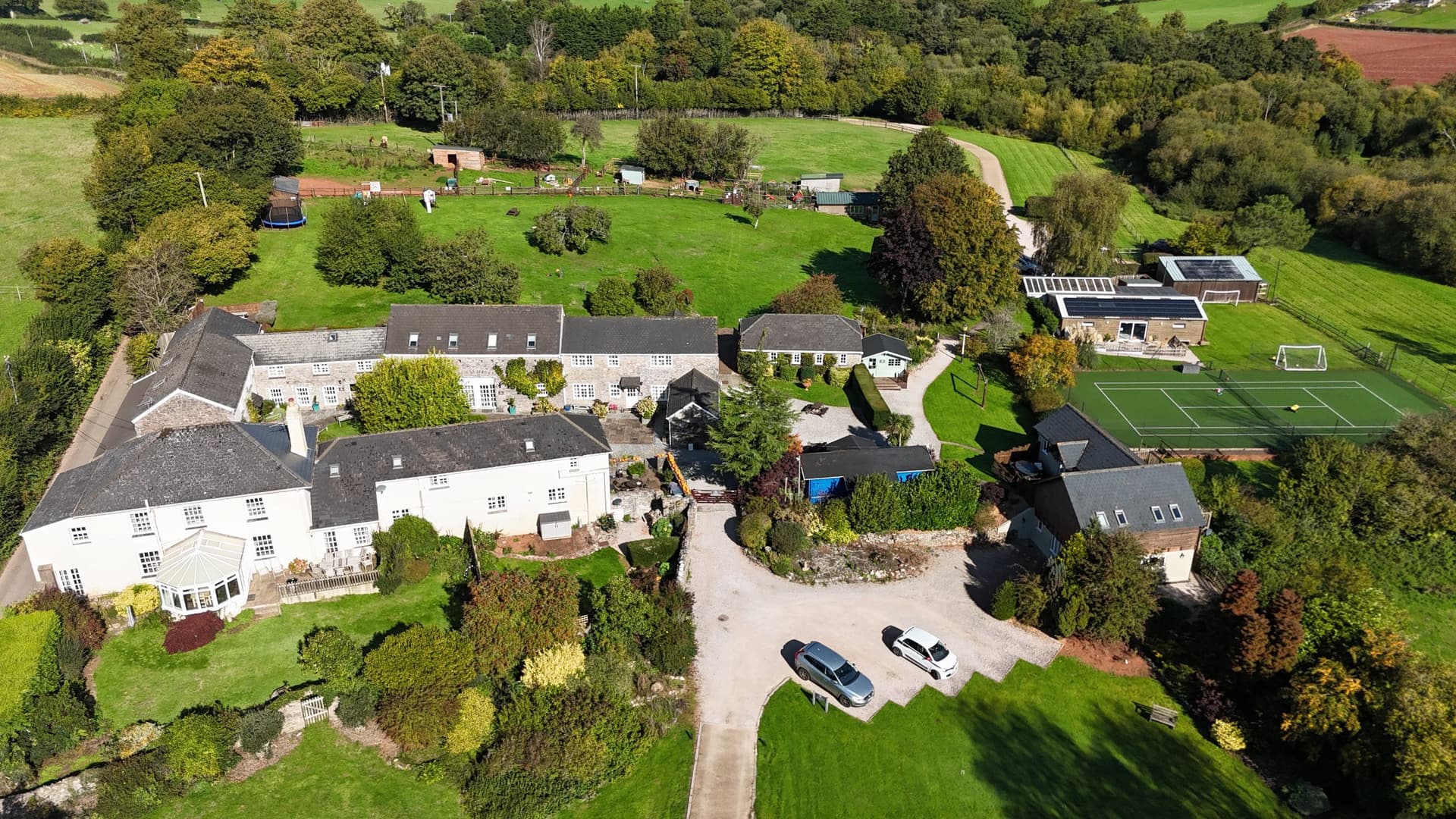
A night out has one activity: drinking, with venues attached. A whole house has a dozen — the long dinner, the hot tub, the games room tournament, the walk, the film, the 1am conversation in the kitchen. Nobody has to opt out of anything, because nothing on that list requires a drink in hand. The drinkers drink, the rest don’t, and unlike a night out, the difference is invisible.
Structuring the weekend so drinking is optional, not central
The practical trick is scheduling. Put the activity-led sessions — the cocktail masterclass, the life drawing, the spa treatments — earlier in the day, when energy is naturally higher and the choice to have a drink or not is genuinely easy either way. Keep the evening looser and let people choose their own pace rather than programming a big group activity for 9pm that implicitly assumes everyone is a few drinks in by then. A weekend that peaks on a Saturday afternoon, with dinner and a relaxed evening after, suits a mixed group far better than one that peaks at midnight. Our spa and wellness group houses guide covers properties built around this kind of pace, and our round-up of wellness weekend retreats has more on structuring a slower group weekend.
What to book instead of the bar crawl
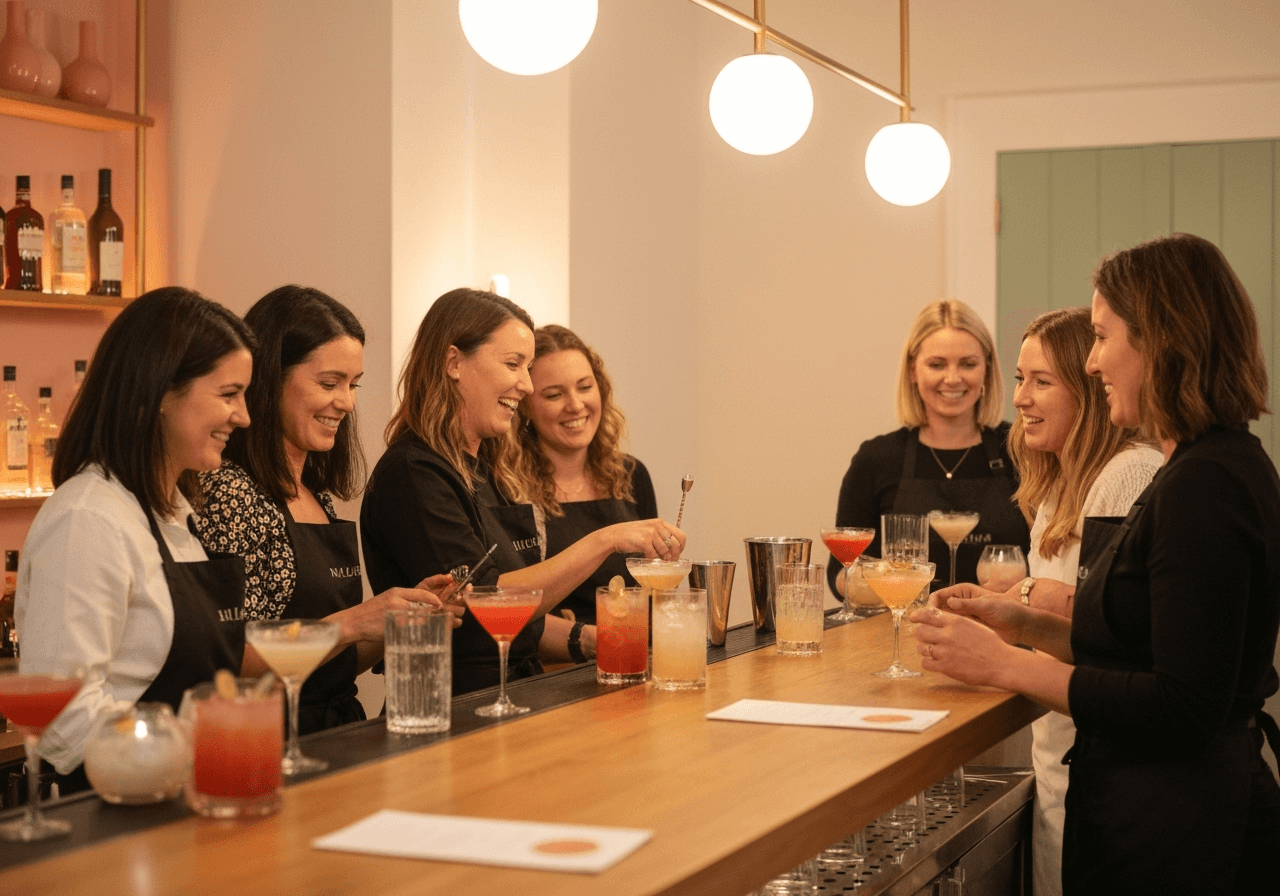
The experiences growing fastest in the records are exactly the ones that work at any level of sobriety: a cocktail masterclass (every good host offers alcohol-free versions of the same drinks — ask when you book), life drawing for a crowd that laughs easily, mobile spa treatments for the slow morning after, and a private chef dinner as the centrepiece the whole weekend hangs on. None of them care what’s in your glass.
Talking to the group without making it a whole thing
The organiser’s job is to plan a good weekend, not to police anybody’s choices or explain them on their behalf. Never ask the group in advance who is and isn’t drinking — it puts people in the position of disclosing something private to justify a preference that needs no justification. Just make sure every planned activity has an obvious version that doesn’t require a drink, and let people opt in or out of anything without comment.
Being thoughtful around guests who are newly sober
If someone in the group is in early recovery or has recently stopped drinking for their own reasons, the kindest thing an organiser can do is exactly what makes the weekend work for everyone else: build it around activities rather than a bar. Don’t single the person out with a private message asking how they’ll cope, and don’t make a visible show of removing alcohol from the house on their account either — both draw more attention to the situation than simply planning a good weekend that happens not to depend on drinking.
When some of the group want a big night and others don’t
Most real groups aren’t uniformly sober-curious; they’re a mix of people who want a proper night and people who’d rather have an early one, often within the same family or friendship group. A house solves this better than any venue because both groups can be fully present at dinner and then peel off in their own direction — some to the hot tub or the sofa, others into town or to keep the kitchen disco going. The trick is simply not scheduling anything compulsory after ten o’clock, so neither group feels they’re missing the point of the weekend by choosing their own pace.
What to confirm with hosts and suppliers
If you want alcohol-free options built into a hosted activity, ask for it specifically when you book rather than assuming it’s automatic — most good suppliers can do it, but they need to know your numbers in advance to bring the right ingredients or stock. The same goes for catering: tell a private chef if you want the wine pairing scaled back or replaced with something else for part of the table, and they will plan the menu around it rather than treating it as an afterthought.
The one thing worth getting right
Don’t label the weekend. The moment an invitation says “sober-ish weekend”, half the group hears a rule and bristles. Just plan a weekend where the activities are the point — the house, the chef, the class, the walk — and let the bar sort itself out. It usually does. Our guide to group house activities and entertainment is the place to start building the plan, and our guide to choosing large group accommodation covers the kind of house layout — several distinct spaces rather than one big room — that makes this style of weekend work best.
Where these numbers come from
The booking figures in this article are our own, not an industry estimate. They come from the booking records of our sister brand Butlers in the Buff, which has been running group celebrations for more than twenty years and has served over 100,000 groups — so they describe what groups actually did, not what a survey says they intended to do. They are counts taken from those records rather than projections, and where we quote a share (for example the share of bookings made in a given month, counted by the month the booking was placed rather than the month of the event) it is a share of that whole dataset.
Two honest limits. It is one company’s book, weighted towards hen and stag celebrations, so it describes the celebration market rather than all UK group travel. And it is historical: it tells you how groups have behaved, which is a good guide to how they will behave, not a forecast. Anything from outside our own records is attributed in the sentence it appears in and linked below.
Sources
- Butlers in the Buff booking records — our sister brand’s own bookings, over 100,000 groups across more than 20 years of trading
Figures from our own booking records are counts, not estimates. Third-party figures are quoted as the original report gives them and linked above so you can check them. Last checked 4 September 2026.
Frequently Asked Questions
How do I plan a group weekend where not everyone drinks?
Do cocktail masterclasses cater for non-drinkers?
Are alcohol-free group weekends actually becoming more popular?
What's the best accommodation for a mixed drinking-and-not group?
Should I tell my guests in advance that it's a lower-alcohol weekend?
What activities work well for a sober-curious group weekend?
How do I ask a supplier for alcohol-free options?
Does a sober-curious weekend cost more or less than a typical group weekend?
Share this post