The wellness weekend has quietly become one of the most common shapes of group stay, and the shift is visible in first-party data rather than guesswork: Butlers in the Buff’s booking records, covering over 20 years of trading and more than 100,000 groups, show life drawing bookings growing 149% between 2017 and their 2022 peak. The modern group weekend wants a robe and a treatment slot at least as much as it wants a big night out. The houses have caught up — but a wellness weekend in a private house is a logistical exercise as much as an indulgent one, and the groups who plan it properly have a noticeably better time.
Bring the spa to the house
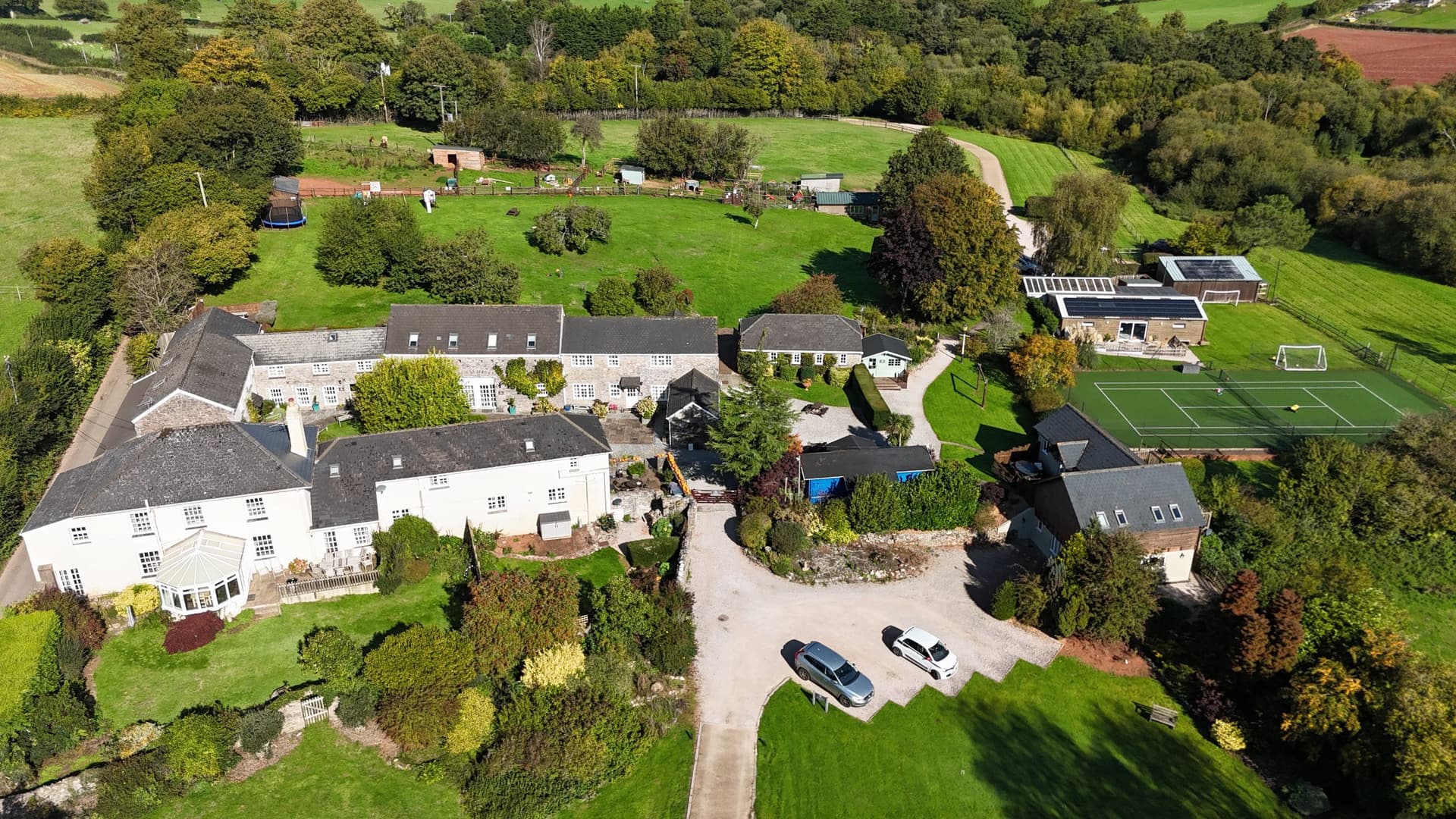
The move that makes a wellness weekend work is mobile therapists. Massage, facials, manicures and pedicures all travel, and a couple of hours turns a sitting room into a treatment suite. The scheduling advice we would give every organiser: book one treatment block, back-to-back appointments inside a single window, rather than scattering slots across the weekend. Scattered slots mean somebody is always missing from lunch, always half-dressed when the walk leaves, always apologising. A block means the spa happens, ends, and the group is whole again by dinner. A house with its own sauna, like The Farmhouse in Cornwall, gives the group somewhere to wind down before or after the treatment block without anyone having to travel. Browse our at-house experiences to see what travels well, and our spa treatments page for how in-house treatments are usually run.
How to brief the supplier
Therapists can only plan properly if you give them the real picture, so send it all in one message: the exact number of guests, which treatments you want, your preferred window, the address, and a description of the rooms you can offer — including whether they have a door, how warm they are, and whether there is a power socket and running water nearby. Then ask them how many therapists that requires and how long the block will take. Let the people who do it for a living do the arithmetic; the most common regret we hear is a group that booked one therapist too few and spent the afternoon queuing.
Ask what they need from you, too. Most bring couches and linen, but confirm rather than assume, and ask whether they need somewhere to change, help carrying equipment up stairs, or a specific arrival window for setting up. Pricing, cancellation terms and what is included are set by each individual supplier, so get one written quote covering travel, treatments and time.
What to settle with the owner
Whether therapists are allowed at the property at all is the owner’s decision, not an industry standard, and it is worth establishing before you pay anyone a deposit. Put these in your first enquiry:
- Are mobile therapists and other outside suppliers permitted at the house?
- Which room would you suggest for treatments, and can furniture be moved to make space?
- Where can a supplier park, and is there level access for carrying couches in?
- Is the heating controllable in that room? A treatment in a cold room is no treatment at all.
- Are there restrictions on oils, candles or anything else on furniture and floors?
- If there is a hot tub or sauna, how is it operated, what temperature is it run at, and are there time restrictions?
Hot tub heating, sauna availability and supplier permissions all vary from house to house because each owner sets them, which is exactly why they belong in writing. Our questions to ask before booking a group house guide has the wider list.
The house features that actually matter
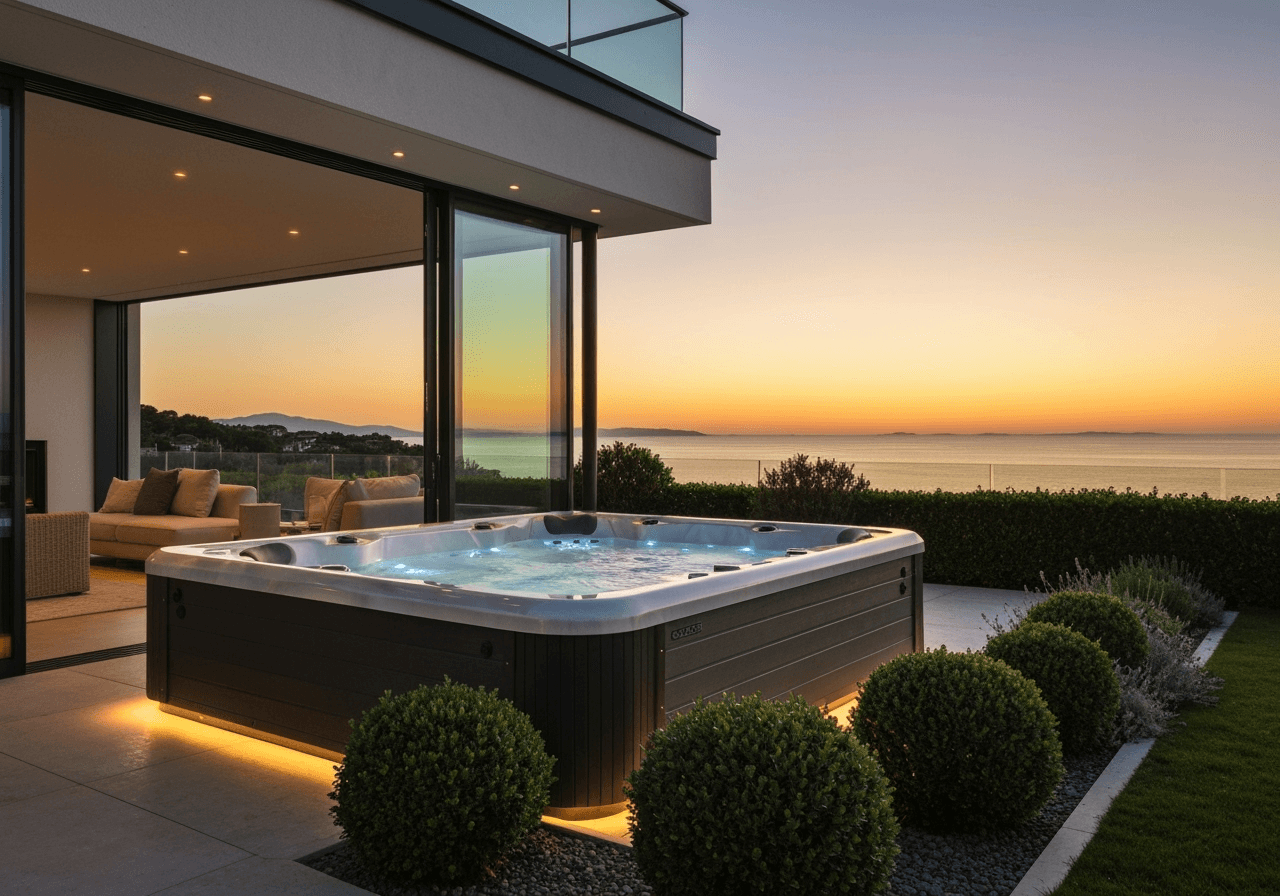
If you can filter for one combination, make it a hot tub plus somewhere warm and private for treatments. The hot tub is the social anchor of the evening — our hot tub houses for large groups guide explains how to size one for a big party and what to ask about heating and cut-off times — while the private room is what turns a nice house into a spa weekend. A sauna or a pool is a genuine upgrade on top: if a pool is on your list, our large houses with swimming pools guide covers the questions that decide whether it will be used.
What is easy to overlook is circulation. A wellness weekend has people moving between states all day — robed, mid-treatment, dressed for a walk, wet from the tub — and a house with only one social room makes that awkward for everybody. Two or three separate spaces, with the treatment room off to one side, is worth more than another feature in the garden.
The free hour that makes the weekend
Morning yoga in the big lounge costs nothing. One person with a phone speaker, a follow-along video, and whoever wanders down before breakfast — in our experience it becomes the hour people mention when they talk about the trip afterwards. You do not need an instructor, mats can be towels, and nobody has ever regretted it. If you would rather have it led properly, a yoga session travels to the house as easily as a therapist does. Either way, pair it with a slow breakfast and you have built an entire morning that needs no organising at all.
Food, drink and the sober question
A wellness weekend does not have to be an abstinence retreat, and the ones that try tend to collapse by Saturday evening. Plan food that feels generous rather than restrictive, keep one dinner as the proper event of the weekend, and make sure the fridge has genuinely good non-alcoholic options rather than one warm bottle of elderflower. That single decision does more for the guests who are not drinking than any amount of scheduling — our sober curious group weekends piece covers the wider approach, and it applies just as well to a group where only two people are off the wine.
Where wellness weekends go wrong
- Treating it as a full timetable. The point is rest. One block of treatments and one shared dinner is a complete plan for a day.
- Assuming everyone wants a massage. Make treatments opt-in and give the opt-outs something better than waiting.
- Booking suppliers before the house. Confirm the property and its supplier policy first.
- Forgetting the room temperature. A beautiful barn conversion with underfloor heating turned off is a poor treatment room.
- Leaving the hot tub rules unread. Cut-off times and operating instructions are set by the owner and catch groups out late on Saturday.
- Mixing the money. Treatments are individual; the house is shared. Keep the two accounts separate from the start.
The short version
One treatment block, not scattered slots. Suppliers briefed with real numbers and real room descriptions. Owner permissions in writing, because every one of them is the owner’s to give. A warm private room, a hot tub, and more than one social space. A free yoga hour that organises itself. Then browse our houses with the lounge in mind rather than the checklist, read our wellness weekends and group retreats piece for inspiration, and look at our retreat venues if the weekend is heading somewhere more structured.
Where these numbers come from
The booking figures in this article are our own, not an industry estimate. They come from the booking records of our sister brand Butlers in the Buff, which has been running group celebrations for more than twenty years and has served over 100,000 groups — so they describe what groups actually did, not what a survey says they intended to do. They are counts taken from those records rather than projections, and where we quote a share (for example the share of bookings made in a given month, counted by the month the booking was placed rather than the month of the event) it is a share of that whole dataset.
Two honest limits. It is one company’s book, weighted towards hen and stag celebrations, so it describes the celebration market rather than all UK group travel. And it is historical: it tells you how groups have behaved, which is a good guide to how they will behave, not a forecast. Anything from outside our own records is attributed in the sentence it appears in and linked below.
Sources
- Butlers in the Buff booking records — our sister brand’s own bookings, over 100,000 groups across more than 20 years of trading
Figures from our own booking records are counts, not estimates. Third-party figures are quoted as the original report gives them and linked above so you can check them. Last checked 4 September 2026.