
Hiring a house for your wedding and holding the ceremony there are two different things, and the difference catches a lot of couples out. A property can be perfect for a whole-house wedding weekend and still not be able to marry you legally. This guide covers how licensing actually works, what to ask before you book, and how to plan the weekend around it.
Approved premises: what the licence actually covers
In England and Wales a venue needs an Approved Premises licence from its local authority to host a civil ceremony. Two things surprise people. The licence is granted for three years and has to be renewed, and it applies to a specific named room or permanent outdoor structure, not to the whole property. A house can be licensed for its orangery and not its garden, or for the drawing room and not the marquee.
Scotland works differently. Celebrants there can conduct legal ceremonies almost anywhere, indoors or out, which is why Scottish country houses advertise far more freedom about where you say your vows. If ceremony location matters more than anything else, that difference is worth a longer drive.
Your three realistic options
A licensed house. Ceremony and reception in one place, nobody drives anywhere, and the day flows. These properties know it is their selling point and price accordingly.
An unlicensed house near a register office. Far more common than the marketing suggests. You marry legally in the morning, then everyone returns to the house for the celebration. It widens your property choice enormously and usually costs less overall.
A legal ceremony beforehand, then a blessing at the house. Increasingly popular. The paperwork happens quietly at a register office earlier in the week, and a celebrant leads the ceremony you actually care about wherever you like at the house. No licensing constraints at all.
What to ask before you book
- Is the property licensed for civil ceremonies, and which specific rooms or structures does the licence cover?
- When does the licence expire? Ask to see it if your date is more than a year out.
- How many can the licensed room seat, as opposed to how many the house sleeps?
- Has the owner hosted weddings before, and how many a year?
- What are the noise restrictions and the curfew for music outdoors and indoors?
- Must caterers come from an approved list, and is there corkage on your own wine?
- Can you put up a marquee, and does that need separate permission?
- How many parking spaces, and where do suppliers load in?
- What public liability cover does the owner hold, and what do you need to arrange?
Why the weekend beats the day
A licensed venue hired for one day gives you eight hours. A house gives you three days. Friday is arrival and a relaxed dinner, Saturday is the wedding, Sunday is a slow breakfast with the people who travelled furthest. Guests stop being spectators and start being part of it.
That changes the accommodation maths in your favour too. Split across a wedding party, a large house often costs less per head than a block of hotel rooms, and nobody is arranging taxis at midnight. Browse wedding houses to rent to see what that looks like in practice.
Which property styles suit weddings
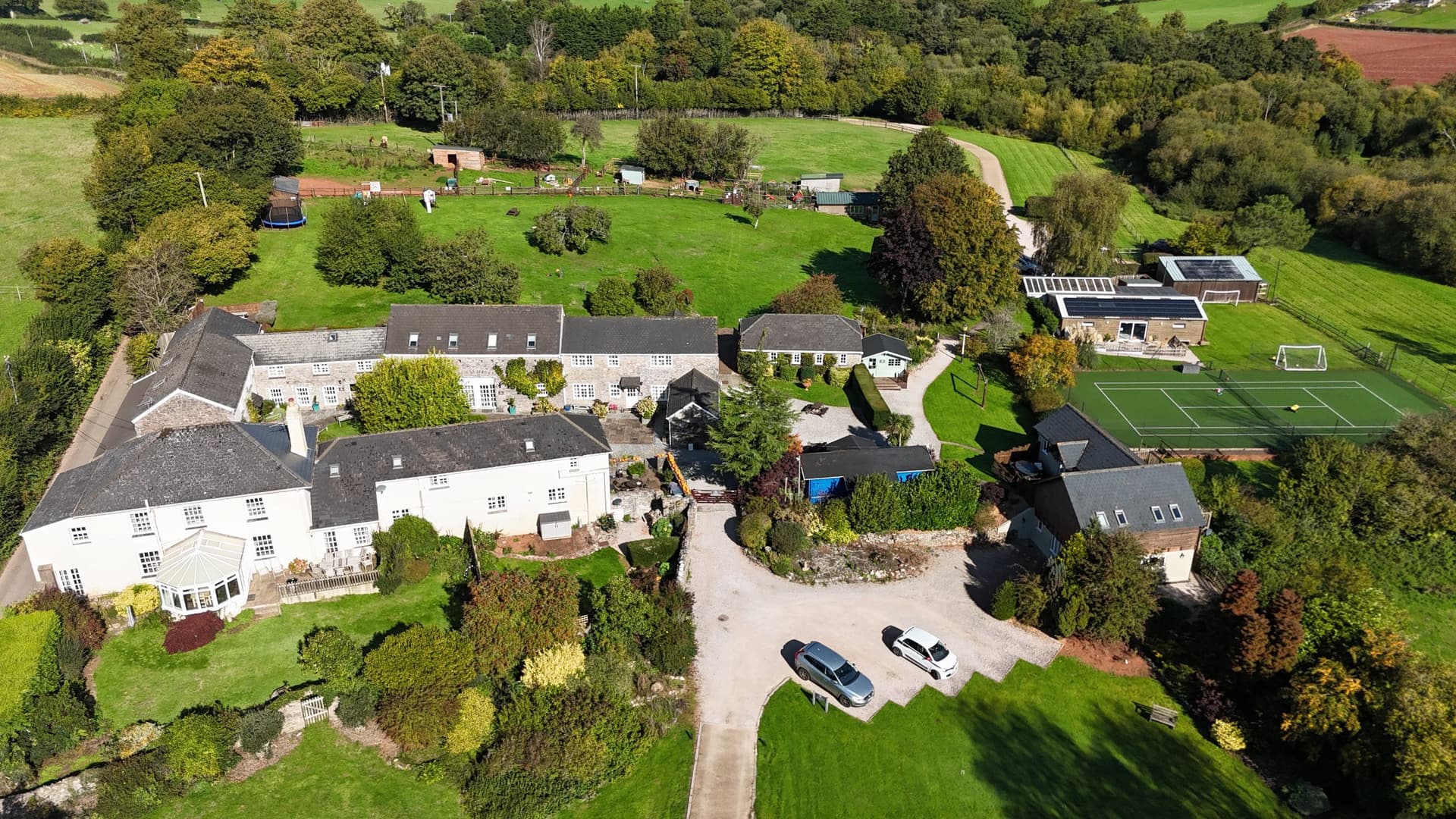
Manor houses tend to have the formal rooms and the grounds that photograph well, and they are the most likely to hold a licence. Castles and stately homes offer the same with more drama. Country houses suit smaller, less formal weddings where the garden does the work — Gunthorpe Hall in Norfolk is one example of the style, though as with any property you should confirm its licensing position directly with the owner rather than assume from the style alone.
Whatever the style, check the wet-weather plan. A British wedding needs a room that works when the garden does not, and that room needs to hold everyone at once.
Making the most of the house
Once the venue is settled, the extras are what people remember. A private chef for the Friday dinner takes the pressure off the night before. Spa treatments on the morning of work better than a rushed trip into town. Both come to the property, subject to the owner's agreement on outside suppliers, which is worth confirming at the same time as the licence questions.
Questions that catch couples out later
Beyond the licence itself, ask about the maximum number of overnight guests the house can sleep, since it's often lower than the number who can attend the ceremony and reception — many house weddings involve a core group staying on site while other guests book locally. Ask whether the owner has a preferred or exclusive supplier list for anything beyond catering, such as florists or photographers with site access experience, and whether there's a dedicated getting-ready space away from where the ceremony room is being set up.
Booking timelines
Licensed houses for summer Saturdays are consistently the hardest wedding dates to secure in this market, and the best of them go earliest of all — ask the specific owner about their booking pattern rather than assuming a fixed window. Unlicensed houses for the same dates are noticeably easier to find. Midweek and off-season weddings open up properties that are booked solid in peak months, and are worth genuinely considering if the venue matters more to you than the calendar date.
Popular regions to start with are the Cotswolds and Devon, alongside the Lake District for a more dramatic backdrop. Our large house booking checklist and questions to ask before booking guide cover the wider due diligence that applies to any group booking of this scale, licence or no licence. When you have a shortlist, tell us your numbers and dates and we will point you at the ones that fit.