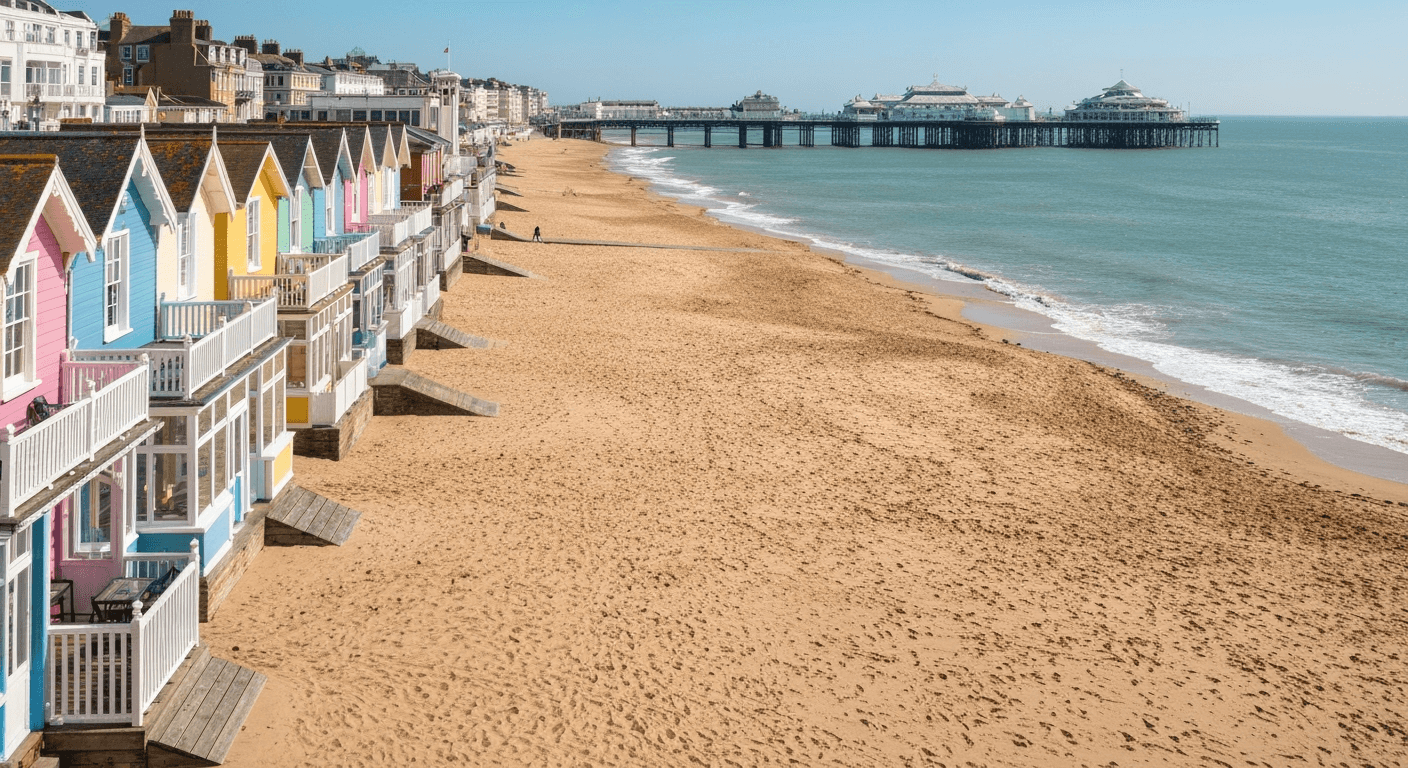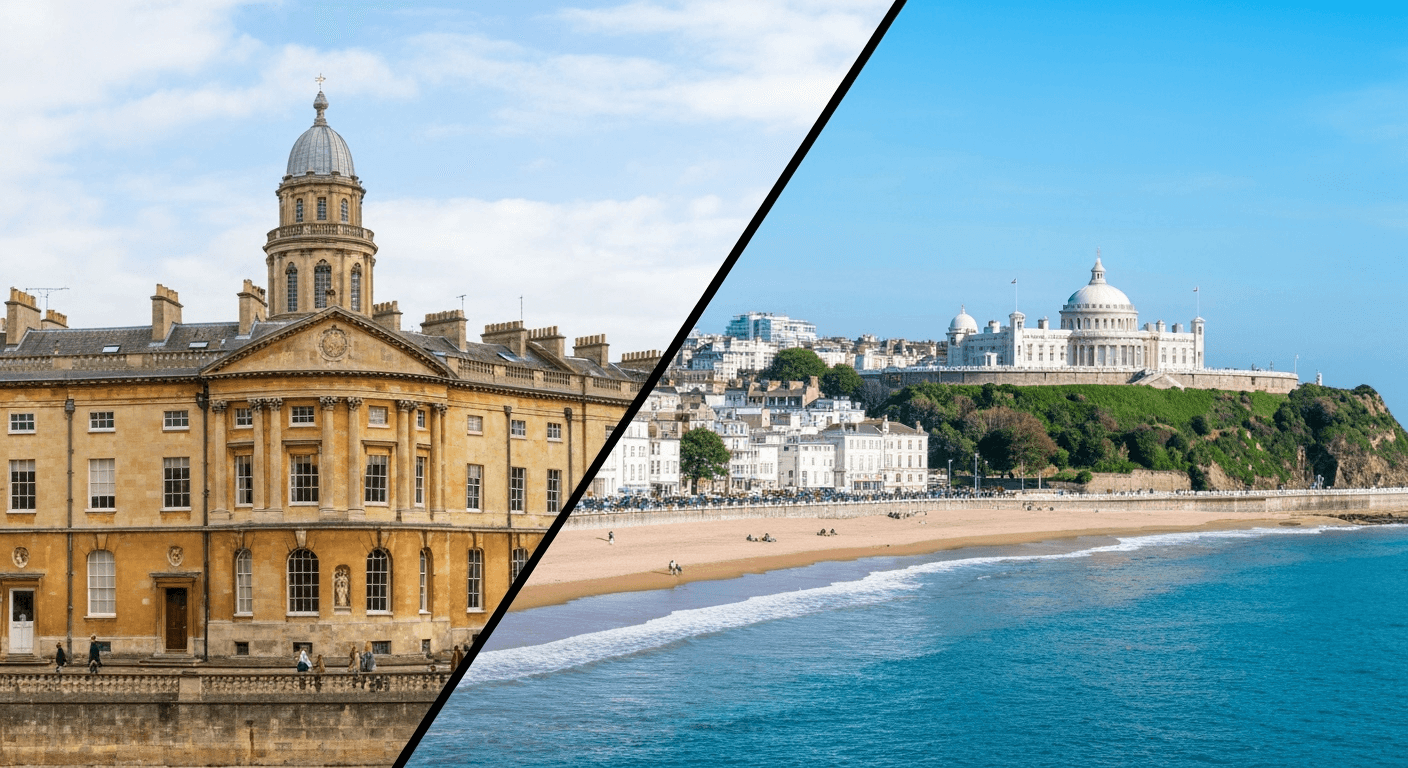
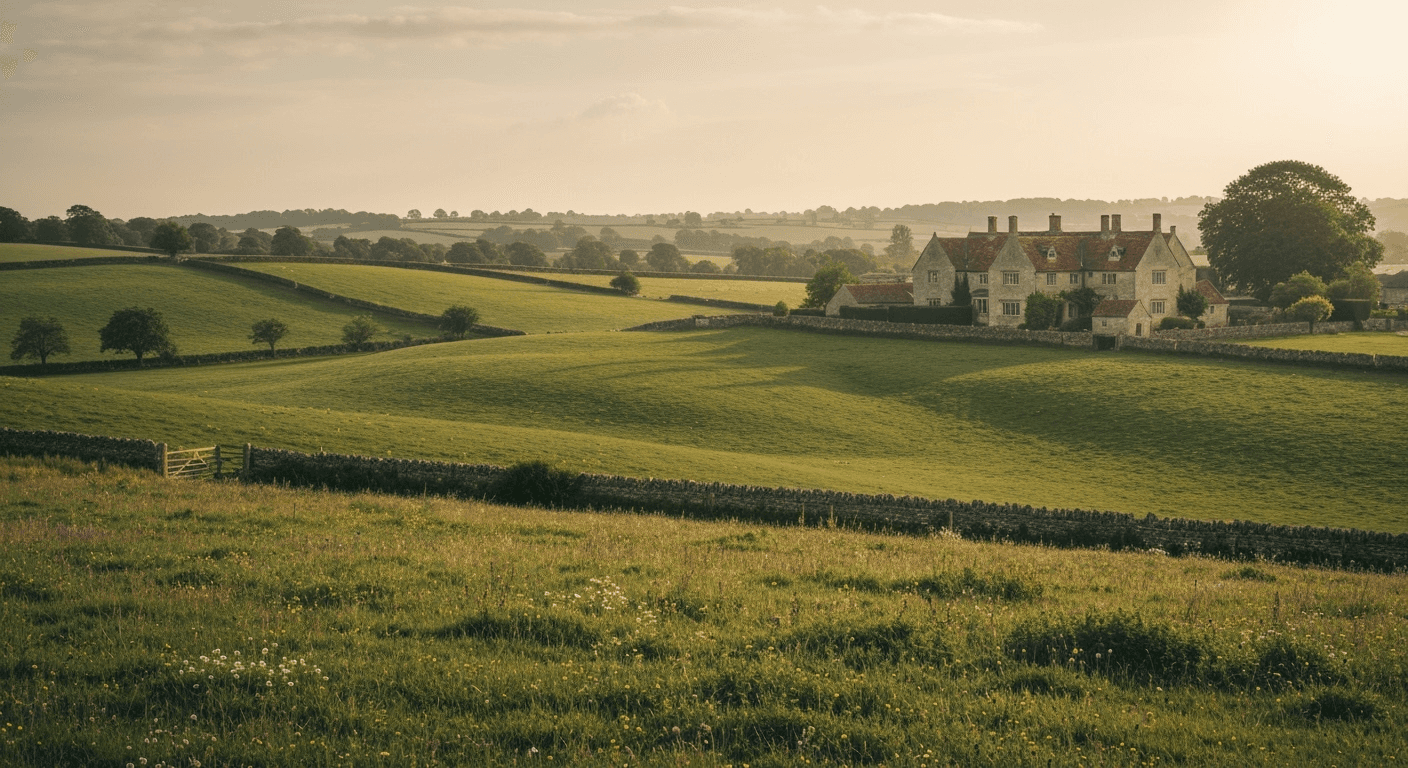
Autumn is the season the booking data quietly loves. Butlers in the Buff’s booking records show 56% of bookings land between January and May, which means that by the time September arrives the annual scramble is largely over. The organisers still picking dates in autumn are working with a calmer calendar, a shorter reply time from owners and a group that is no longer competing with every other group in Britain for the same Saturday.
Meanwhile the Lake District welcomed 17.73 million visitors in 2024 (Cumbria Tourism) – and yet stand on a fell in late October and you would never guess it. The crowds are a summer phenomenon; the landscape is not. That gap, between what a destination feels like in August and what the same destination feels like eight weeks later, is the most under-exploited thing in UK group travel.
Why autumn actually works better for groups
Summer weekends have a structural problem: the weather invites everyone outside, so the group scatters. Someone walks, someone sunbathes, someone drives to the nearest town, and you get a house full of people who barely see each other until dinner. Autumn does the opposite. The house becomes the centre of gravity, and a group weekend is almost always better when the group is in one room.
The practical wins stack up too. Hot tubs make sense in October in a way they never quite manage in July – sitting in hot water in warm air is pleasant; sitting in hot water while your ears go cold is an event. Log burners become the evening’s entertainment, complete with a self-appointed fire warden. Walks end at four in a pub with a fire rather than at nine in sunburn. And with self-catering calendars carrying far more empty nights than full ones, autumn midweeks and November weekends are the part of the calendar where an owner is most likely to be open to a conversation about a midweek rate – though whether any individual owner offers one is entirely their decision, and never something to assume.
There is one thing to plan around: the clocks go back on the last Sunday in October, and the drop in usable daylight afterwards is abrupt. Not a reason to avoid November – just a reason to move the walk to the morning and the pub to the afternoon.
Where to point the convoy
The Lake District in October is the best version of itself: bracken turning copper, lakes flat as glass and paths you can actually walk at your own pace. Our Lake District walking weekend guide pairs routes with the kind of house that has somewhere to hang sixteen wet coats – the unsung hero of every autumn booking.
If you want stone villages and a shorter drive from the north or the Midlands, the Peak District does autumn with equal conviction: gritstone edges, moorland that turns the colour of strong tea, and a supply of pubs that were designed for wet boots. It sits within easy reach of the M1 and the M6, which matters more than it sounds when cars are converging from several different postcodes.
For groups who would rather the landscape were gentle and the village were the point, the Cotswolds in late October is hard to beat – honey-coloured stone looks best under low sun, and the distances between things are short enough that a mixed-ability group can all do something without anybody driving for an hour. Further west and south, Devon and the South West hold their mild weather longer than most of the country, which buys you a genuinely usable garden well into the season.
Build the weekend around one anchor, not five
The most common autumn planning mistake is over-programming. Someone builds a schedule with a walk, a tasting, a dinner booking and a Sunday activity, and then the first serious rain arrives and the entire structure collapses along with the mood. Autumn weather is not reliably bad; it is reliably uncertain, which is harder to plan for.
So pick one anchor and defend it. A private chef dinner on the Saturday night, a cocktail masterclass in the late afternoon, a wine tasting around the big table – anything that happens indoors, at a fixed time, with someone else responsible for making it happen. Everything else stays optional and weather-dependent. Our group house activities guide runs through what genuinely works in a house rather than what sounds good in a spreadsheet.
One anchor also solves the mixed-ability problem, which autumn sharpens. If half the group wants a long walk and half of it wants the sofa, a fixed indoor evening event means the day can split without the weekend splitting. Nobody has to negotiate; they just have to be back by six.
What to ask the owner before you pay
Autumn bookings live or die on heating, and heating is the thing listings describe most vaguely. Ask specifically: is the wood-burner in use over winter, and is wood provided or brought by guests? Is heating on a timer, and can guests adjust it? Big period houses can be gloriously cold if the answer is a timer set by someone who lives elsewhere.
Then ask about drying. Somewhere to dry coats and boots – a boot room, a utility, a decent radiator with space around it – is the difference between a house that smells of woodsmoke and one that smells like a school changing room by Sunday. Ask about outside lighting too, because a gravel drive and a set of unlit steps are a genuine hazard in the dark with a group who have had a drink.
The rest of the questions – deposits, cancellation terms, minimum stays, whether outside caterers or suppliers are allowed in the house – are all set individually by each owner, and they vary far more than most organisers expect. Get them in writing before money moves – our questions to ask before booking a group house guide is the checklist we would use ourselves.
The dates worth considering
October half-term is the one autumn week that behaves like summer, because families are competing for the same houses – if your group includes school-age children you may want it anyway, but go in knowing choice is tighter. The weeks either side of it are calmer. November is quieter still, and the run-up to Christmas is a different market again, covered properly in our Christmas group accommodation guide.
Midweek is the genuine sleeper option. A Monday-to-Thursday stay in November tends to be the least contested slot in the whole calendar, and for groups of friends who no longer have fixed office weeks it is worth putting to a vote – our midweek group stays guide covers how to make that work without losing half the group.
One thing worth doing differently: book the November weekend nobody thinks they want. Bonfire-night-adjacent Saturdays are the most under-rated group dates in the calendar – fireworks somebody else organised, air cold enough to justify the hot tub, and a house that nobody else is fighting you for. Start with our country houses and work backwards from the date.
Where these numbers come from
The booking figures in this article are our own, not an industry estimate. They come from the booking records of our sister brand Butlers in the Buff, which has been running group celebrations for more than twenty years and has served over 100,000 groups — so they describe what groups actually did, not what a survey says they intended to do. They are counts taken from those records rather than projections, and where we quote a share (for example the split of bookings across the year) it is a share of that whole dataset.
Two honest limits. It is one company’s book, weighted towards hen and stag celebrations, so it describes the celebration market rather than all UK group travel. And it is historical: it tells you how groups have behaved, which is a good guide to how they will behave, not a forecast. Anything from outside our own records is attributed in the sentence it appears in and linked below.
Sources
- Cumbria Tourism — STEAM tourism volume and value research for Cumbria
- Butlers in the Buff booking records — our sister brand’s own bookings, over 100,000 groups across more than 20 years of trading
Figures from our own booking records are counts, not estimates. Third-party figures are quoted as the original report gives them and linked above so you can check them. Last checked 4 September 2026.
Frequently Asked Questions
Is autumn a good time for a group getaway in the UK?
What are the best UK destinations for an autumn group getaway?
How far in advance should I book an autumn group getaway?
What features matter most in an autumn group house?
Should I book midweek instead of a weekend in autumn?
How do I keep an autumn weekend from being ruined by rain?
Do the clocks going back affect autumn group plans?
Can we bring our own caterer or activity supplier to the house?
Share this post