
If you are already thinking about a 2027 hen weekend, you are ahead of almost everyone — and that is worth more than it sounds. Our sister brand Butlers in the Buff’s booking records, built over more than 20 years and 100,000+ groups, put the median lead time for a group celebration at 82 days. Under three months. Which is exactly why the same conversation happens every spring: the date is finally agreed, the group is genuinely up for it, and the house that would have been perfect went six months ago.
What follows is not a list of novelty sashes. It is what groups are actually booking, what has quietly gone out of fashion, and how to assemble the pieces into a weekend that feels planned rather than scraped off the first page of a search.
When to book a 2027 hen weekend
Two figures from those same booking records shape the whole calendar. First, 56% of Butlers in the Buff’s bookings fall between January and May — the hen season is heavily front-loaded, and spring Saturdays are the contested ground. Second, December is the quietest month at 2.9% of bookings, which tells you where the choice and the goodwill sit if your bride is genuinely flexible about dates.
Translated into practice: for a May, June or July Saturday in 2027, treat autumn 2026 as your booking window rather than spring 2027. Bank holiday weekends and the Saturdays either side of them go first in every popular destination. And midweek stays remain the organiser’s quiet advantage — the same houses, a fraction of the competition, and a group that arrives having driven up on an empty road rather than a Friday motorway.
Book in this order: date, then house, then activities. Groups that fall in love with an activity first end up bending an entire weekend around one supplier’s diary. Once the date is locked, our guide to the best UK houses for hen weekends is the right second move.
What hen groups are actually booking
The direction of travel in the data has been consistent for years: experiences you do together have grown while drinks-led nights have softened. Life drawing grew 149% between 2017 and its 2022 peak in Butlers in the Buff’s booking records, and the same brand now hosts around 120 cocktail masterclasses a year — a format built around your own kitchen island rather than a bar queue.
The common thread is not the theme. It is that everyone is doing the same thing, in the same room, at the same time. A bar crawl splits a big group into four conversations and loses a couple of people by eleven o’clock. A class around a kitchen island holds everyone together for two hours — which, if you strip a hen weekend back to what it is actually for, is the whole point.
The ideas that work best at a private house
The strongest house-based options share three qualities: the only diary they have to fit is yours, they flex with whatever the final headcount turns out to be, and they do not care what anyone is drinking. A private chef dinner is the reliable centrepiece — one long table, no taxis, nobody being moved on at nine to make room for the next sitting. Mobile spa treatments earn their place on a slow second afternoon rather than arrival day. A sip and paint session gets the half of the group who have never met talking inside twenty minutes, and sends everyone home with something funnier than a photograph.
What is still worth leaving the house for
Plenty. The mistake is doing it twice in one weekend. One outing — a bottomless brunch, an afternoon in town, a coastal walk that happens to end at a pub — gives the weekend shape and a change of scene. Two outings turns the organiser into a tour operator and the group into a coach party, permanently ten minutes late and one person short.
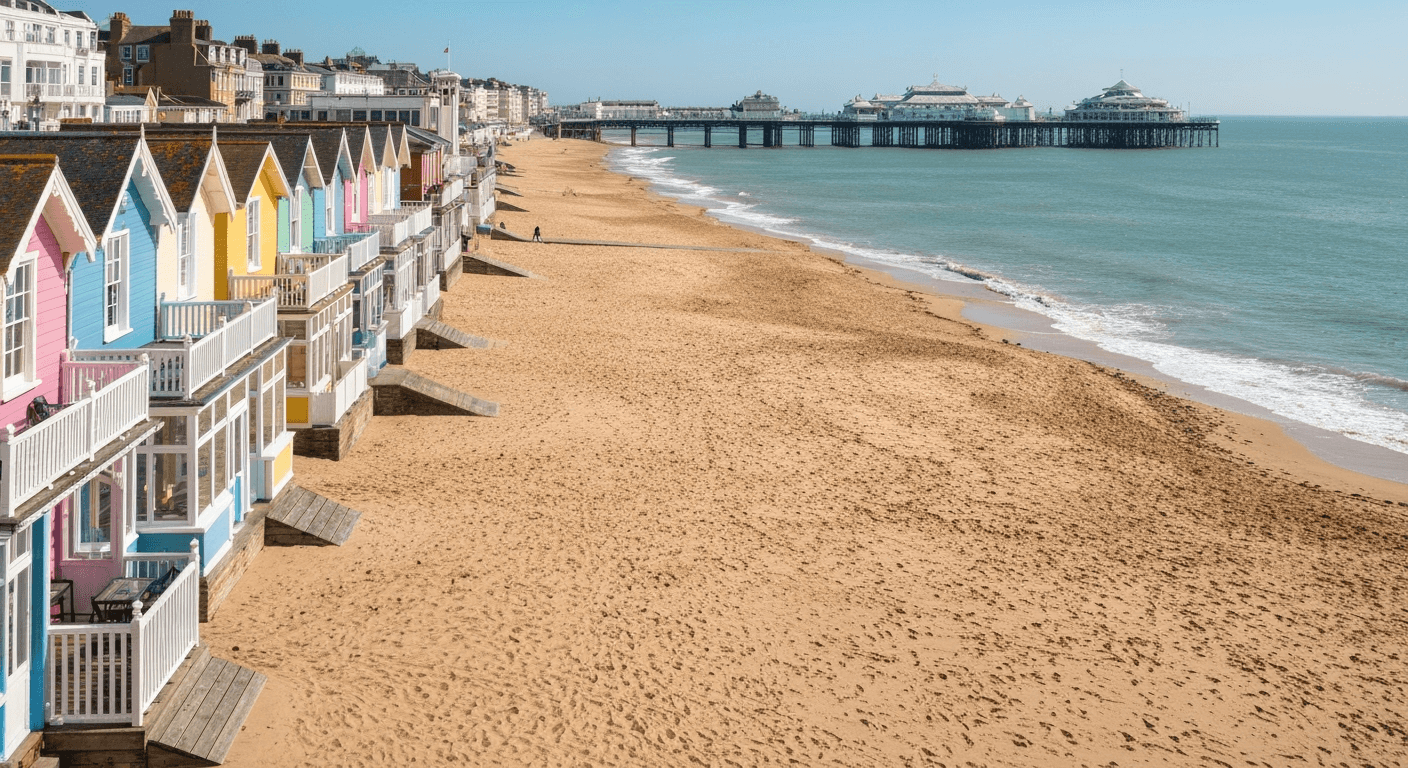
Destination matters here more than the brochures admit. Brighton is the single most-booked destination in Butlers in the Buff’s records with 2,100+ bookings, and it earns that: a Brighton hen weekend gives you a walkable centre where the outing organises itself. A Cotswolds house asks you to do the opposite — bring the weekend indoors and let the setting do the talking.
Build the weekend around one anchor
The best hen weekends I see have one anchor and everything else arranged loosely around it. The anchor is the thing the invitation is really about: the chef dinner on Saturday night, the class on Saturday afternoon, the boat trip, the long lunch. Fix that, put it in the invitation, and every other decision gets easier because it only has to answer one question — does this get us to the anchor in a good mood, or not?
A workable two-night shape: Friday is arrival, bedrooms, and a big informal meal that nobody has to dress for. Saturday afternoon is the anchor. Saturday evening is whatever the group has energy for. Sunday is a late breakfast and a clean exit. That is three planned moments across a whole weekend, and it is genuinely enough. The unplanned hours are where hen weekends actually happen — the kitchen at midnight, the garden at four, the two people who discover they went to the same school.
Resist the timetable. If your itinerary has a 10:45 entry on it, you have built a school trip.
How to budget a 2027 hen weekend
GoHen’s 2025–26 report puts the average UK hen do at £203 per person – typically two nights with multiple activities included – and notes that 66% of hen groups now stay in the UK rather than flying. Food, travel and extras sit on top of that figure, and the way to keep the total honest is to be clear about which pot each cost comes out of.
Split the budget three ways from the start: the house (divided by heads, fixed once booked), the food and drink (a shared kitty, topped up rather than reconciled), and the activities (individually priced, opt-in where possible). Publish those three numbers before anyone commits. The arguments on hen weekends are almost never about the total — they are about a cost that appeared after people had already said yes.
Two structural savings are worth more than any amount of trimming. Going midweek or off-season moves you down the price scale for the same house. And filling the house properly matters: a house booked by fewer people than it sleeps costs each of them meaningfully more. Our hen party house price guide and our guide to splitting costs on a hen weekend cover the mechanics, including who pays for the bride.
Mixed groups: the guests nobody plans for
Almost every hen group of any size contains a guest who cannot do the default plan. Someone pregnant, someone driving, someone with a knee, someone bringing a baby, someone who is the bride’s mother and does not want to be in a nightclub at one in the morning. Plan for them at the start and it costs you nothing; plan for them in week eleven and it costs you the booking.
The practical checks are boring and decisive. Ask the owner directly about ground-floor bedrooms, step-free access to the main living space, bathroom locations, and parking — these vary enormously between houses and are rarely spelled out in a listing. Our accessible group accommodation checklist is the list to work through before you pay anything.
On the itinerary side, the fix is simply to make everything opt-in and nothing exclusive. If the anchor is a dinner, everyone is in. If the second night is a club, nobody has to explain why they are staying in — because there is a house to stay in, which is precisely the advantage a hen party house has over a hotel and a plan.
The mistakes that cost groups the most
Four keep recurring. Debating the destination before the date — sixteen diaries have perhaps two weekends in common all season, and where you go matters far less than whether everyone can come. Booking activities before the house, which hands your weekend’s shape to a supplier. Over-programming, which turns a celebration into an agenda. And assuming the bride wants the weekend you would want — ask her one question, in private, about what she would actively hate, and build around the answer.
The fifth, and the expensive one, is leaving the house until last. Large houses are a genuinely finite supply in every popular destination; there is no equivalent of releasing more rooms. If your date is fixed, start looking at available group houses the week you fix it.
Book for who has paid
Book the house for the number of people who have paid, not the number who have replied to the message. Most hen groups shrink between the group chat and the front door, and it usually happens last-minute. A slightly smaller house that is genuinely full beats a grand one with three empty bedrooms and a per-head cost that quietly went up in March.
Where these numbers come from
The booking figures in this article are our own, not an industry estimate. They come from the booking records of our sister brand Butlers in the Buff, which has been running group celebrations for more than twenty years and has served over 100,000 groups — so they describe what groups actually did, not what a survey says they intended to do. They are counts taken from those records rather than projections, and where we quote a share (for example the split of bookings across the year) it is a share of that whole dataset.
Two honest limits. It is one company’s book, weighted towards hen and stag celebrations, so it describes the celebration market rather than all UK group travel. And it is historical: it tells you how groups have behaved, which is a good guide to how they will behave, not a forecast. Anything from outside our own records is attributed in the sentence it appears in and linked below.
Sources
- GoHen — Hen Party Statistics 2025–2026 industry report
- Butlers in the Buff booking records — our sister brand’s own bookings, over 100,000 groups across more than 20 years of trading
Figures from our own booking records are counts, not estimates. Third-party figures are quoted as the original report gives them and linked above so you can check them. Last checked 4 September 2026.
Frequently Asked Questions
When should I book a hen party for 2027?
What are the most popular hen party activities right now?
How much does a UK hen weekend cost per person?
Is it better to have a hen party at a house or go out?
How do I plan a hen do when the group has very different budgets?
What should I check for guests who can't manage stairs or a late night?
How many activities should a hen weekend have?
What is the most common hen party planning mistake?
Share this post